03 / The kitchen notes
Less food waste.
More good dinners.
Real answers for the everyday “what now?” From dinner without a plan to half a cabbage, a small freezer and a long day at work.
Explore all 48 guides ↓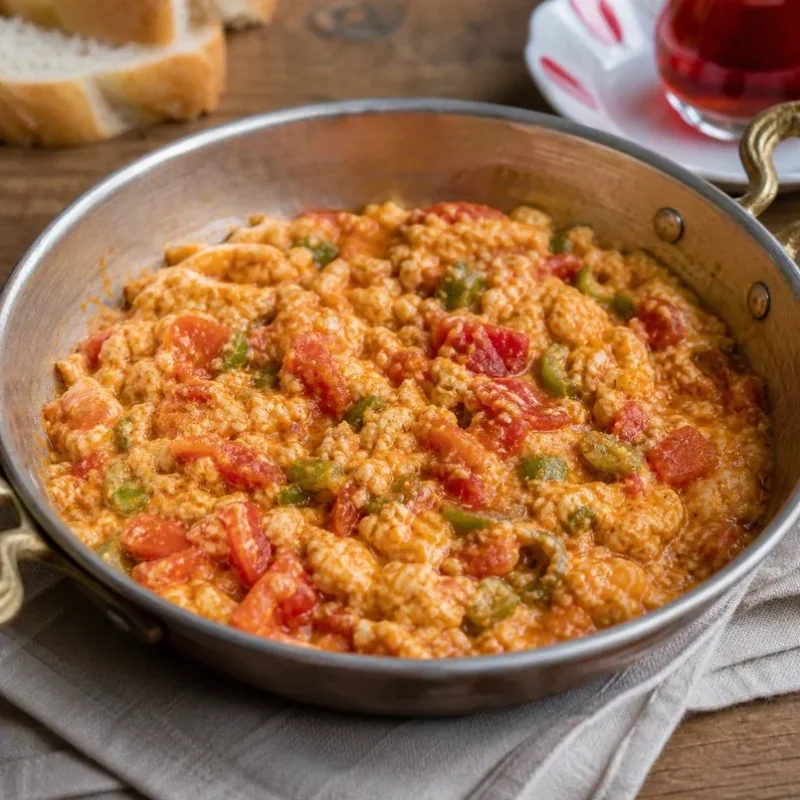
When energy is low
Too tired to cook after work: dinner by effort level
2 min read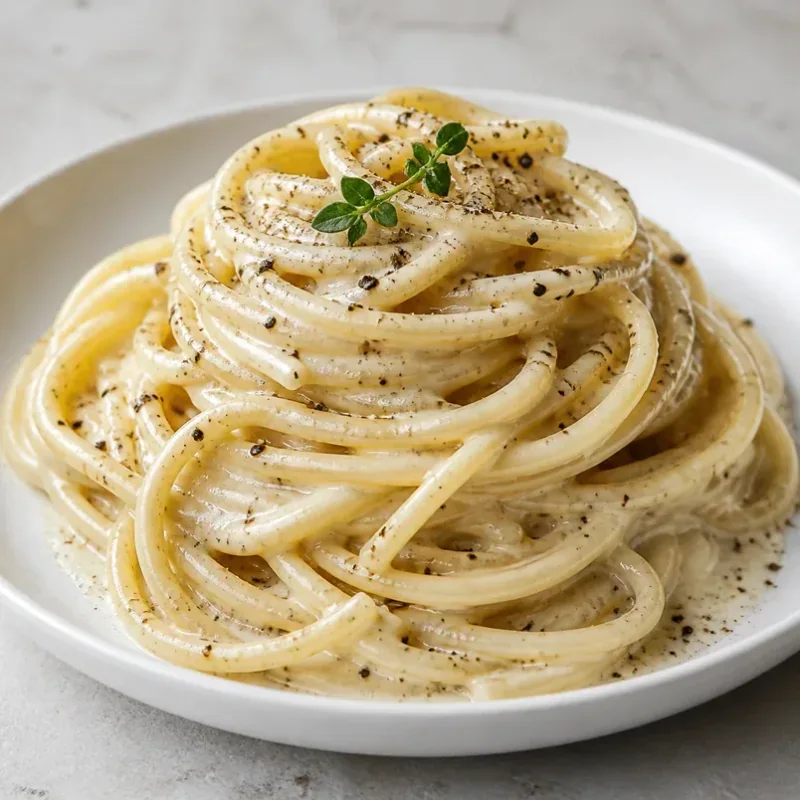
For a smaller kitchen
Cooking for one without wasting half-used ingredients
2 min read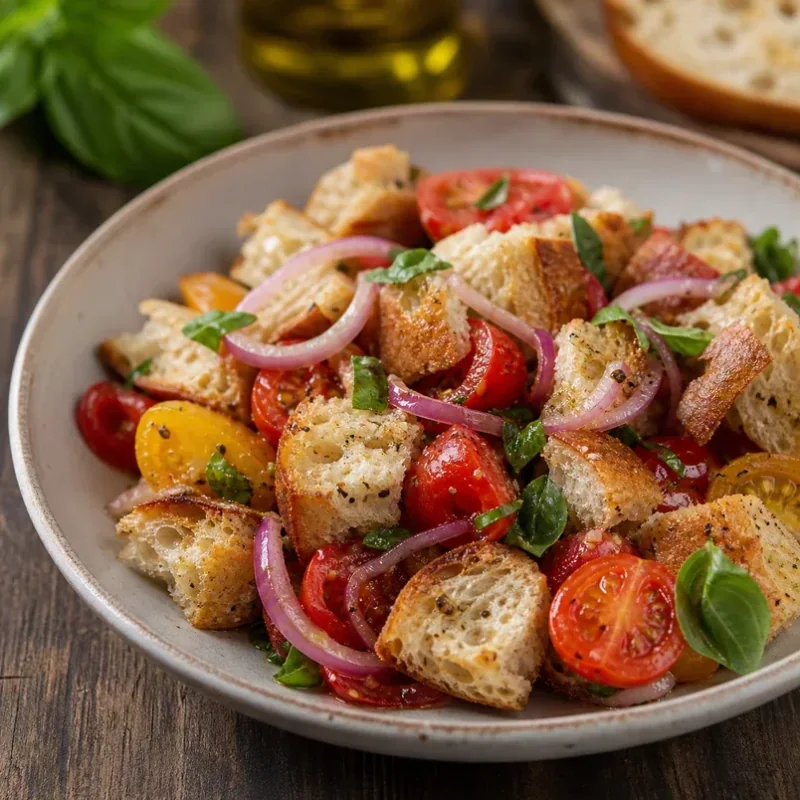
Give dinner a second life
How to use leftovers without eating the same dinner again
2 min readFind your next step
What would help tonight?
48 guides to explore
Choose dinner
A smaller shortlist, a fridge check and a clear next step.
What to cook with what you have: a five-minute dinner plan
Start with one ingredient to use, one filling companion and one realistic cooking method.
2 min read · Practical example includedHow to turn vegetables into a satisfying dinner
Give vegetables a finished meal format: a bean pot, pasta bowl, stuffed bread or potato plate.
2 min read · Practical example includedCannot decide on dinner? Use this three-choice reset
Stop comparing every possible meal.
2 min read · Practical example includedWhich ingredients should you use first? A practical fridge check
Check dates and storage instructions first, then identify suitable opened products and prepared food with a clear near-term use.
2 min read · Practical example includedLow-effort evenings
Choose by energy, preparation and the equipment you have.
Too tired to cook after work: dinner by effort level
Choose dinner by the work you can manage: assemble, heat or cook one simple component.
2 min read · Practical example includedNo-chop dinners with pantry and freezer ingredients
Build a no-chop meal from ingredients already in usable pieces: frozen vegetables, canned beans, eggs, pasta and bread.
2 min read · Practical example includedNo-cook dinner combinations that need no stove
Choose foods already suitable to eat, then combine a substantial base, a filling and something fresh or crisp.
2 min read · Practical example includedA backup-dinner pantry: buy ingredients for three actual meals
Stock a few ingredients tied to meals you already like.
2 min read · Practical example includedMicrowave dinners with pantry ingredients: heat evenly and keep it simple
Choose a microwave-suitable meal with clear product instructions: a potato, a ready-cooked bean bowl or a prepared grain with vegetables.
2 min read · Practical example includedCooking for one
Smaller portions, shared ingredients and realistic storage.
Cooking for one without wasting half-used ingredients
Plan around the remainder of a package, not just one recipe's portion.
2 min read · Practical example includedHow to halve a dinner recipe without halving the cooking time
Scale ingredient quantities carefully, then choose cookware that keeps a similar depth and cooking environment.
2 min read · Practical example includedMeal prep for one when you dislike repeated meals
Prepare a few components that can change partners: a cooked vegetable, a bean or other suitable protein, and a sauce kept separately.
2 min read · Practical example includedCooking for one with a small freezer
Use freezer space for portions with a clear future meal, not every surplus container.
2 min read · Practical example includedMake leftovers different
New formats for cooked food, with storage history in mind.
How to use leftovers without eating the same dinner again
Change one major feature of the meal: its shape, texture or accompaniment.
2 min read · Practical example includedWhat to make with leftover rice, besides fried rice
Safely stored cooked rice can become a soup addition, a warm bowl or a crisp-edged rice-and-egg cake.
2 min read · Practical example includedVegetables that need using: sort them before cooking
Sort suitable vegetables into firm roots, watery vegetables and tender greens.
2 min read · Practical example includedWhat to do with stale bread: crumbs, toast and bread salad
Dry bread can become crisp crumbs, toast or a tomato-soaked bread salad.
2 min read · Practical example includedLeftover mashed potatoes: toppings, cakes and soup
Use firm mash for small cakes, soft mash as a topping, or a little mash to thicken soup.
2 min read · Practical example includedLeftover cooked chicken: new meals without drying it out
Use safely stored cooked chicken in a cold filling, a saucy bowl or a soup added near the end.
2 min read · Practical example includedLeftover roasted vegetables: pasta, soup or a filling
Use suitable roasted vegetables where their already-soft texture helps: a pasta sauce, a warm filling or a soup.
2 min read · Practical example includedWhat to do with leftover pasta: plain versus already sauced
Plain cooked pasta can join a fresh sauce or a suitable cold salad; already sauced pasta usually works best reheated with controlled moisture.
2 min read · Practical example includedPlan a smaller shop
Make purchases work across several meals.
Pantry meals until payday: buy only what completes dinner
Count the meals and people first, then inventory usable food by quantity.
2 min read · Practical example includedThree dinners from one grocery basket, with different flavours
Choose a small set of ingredients that can form three different meals, then reserve each meal's portion before cooking.
2 min read · Practical example includedHow to use the rest of an opened can without another big shop
Before opening a can, decide where the unused portion will go.
2 min read · Practical example includedFlexible meal planning when your week keeps changing
Plan a few meals in an order of perishability and effort, with one pantry fallback.
2 min read · Practical example includedPantry dinners
Useful meals from cans, grains, eggs and everyday staples.
Five-ingredient dinners: count the whole shopping list
A useful five-ingredient dinner names every purchased ingredient, including oil and salt.
2 min read · Practical example includedWhat to cook when the fridge is nearly empty
Check the freezer and cupboard before concluding there is no dinner.
2 min read · Practical example includedPantry meals with beans: bowls, toast and quick tomato pots
For an immediate pantry dinner, start with canned or already cooked beans.
2 min read · Practical example includedWhat to make with canned tomatoes beyond pasta sauce
Canned tomatoes can start a bean pot, soup, egg dish or a cold tomato salad.
2 min read · Practical example includedBeans or lentils for dinner? Choose by texture and preparation
Choose cooked beans when you need an immediate base, red lentils for a softer soup, and firmer lentils when you want separate pieces.
2 min read · Practical example includedWhat to make with canned tuna: three useful dinner formats
Choose a canned-tuna salad, a bread filling or a potato-based plate according to the time and ingredients available.
2 min read · Practical example includedPantry soups that make dinner: beans, lentils and pasta
Choose what will give the bowl substance before adding stock: cooked beans, lentils prepared by their own method, or a measured amount of pasta.
2 min read · Practical example includedKitchen know-how
Understand the method, the swap and the common mistake.
Missing a recipe ingredient? Decide whether to swap, skip or stop
Identify the ingredient's job before replacing it: structure, liquid, fat, seasoning or the main food.
2 min read · Practical example includedFresh or frozen vegetables: adjust moisture, cut and timing
Fresh and frozen vegetables can support many of the same meal formats, but their moisture and starting texture differ.
2 min read · Practical example includedHow to make leftovers soup without a random pot of food
Choose one compatible flavour base, one main cooked ingredient and enough liquid for the texture you want.
2 min read · Practical example includedHow to make a vegetable frittata without a watery centre
Cook watery or firm vegetables before they join the eggs, let excess moisture escape, and use a pan that keeps the mixture at a manageable depth.
2 min read · Practical example includedHow to choose a beginner recipe with no hidden preparation
Read the ingredients, tools and entire method before deciding a recipe is easy.
2 min read · Practical example includedIngredient pairings
Choose a method for ingredients that belong together.
What to make with potatoes and eggs: choose your method
Potatoes and eggs can become a tortilla, grated potato pancakes or a bake.
2 min read · Practical example includedWhat to cook with onions: soften, brown or make them the main ingredient
Decide whether onions are a quick flavour base or the centre of the meal.
2 min read · Practical example includedDinner ideas with eggs: a skillet, scramble or potato dish
Let eggs finish a meal whose other ingredients are already prepared.
2 min read · Practical example includedPotato dinners with one pan or pot: plan the cooking order
Choose a potato dish whose whole method fits your vessel.
2 min read · Practical example includedPotatoes, onions and pantry staples: choose the third ingredient
Potatoes and onions give dinner a useful base.
2 min read · Practical example includedUse the rest
Give an opened package or spare vegetable its next job.
What to do with half a cabbage: a sequence of different meals
Give half a cabbage two or three planned uses instead of putting all of it into one oversized dish.
2 min read · Practical example includedHow to use a bunch of herbs across several meals
Choose two main uses for a herb bunch before buying it: one fresh finish and one sauce, dressing or cooked use.
2 min read · Practical example includedExtra carrots: plan a crisp use, a cooked use and a soup
Divide suitable extra carrots between meals with different textures instead of cooking the whole bag one way.
2 min read · Practical example includedExtra mushrooms: avoid a watery pan and choose a useful meal
Choose whether mushrooms should brown, soften into sauce or join a soup.
2 min read · Practical example includedWays to use plain yogurt before opening another tub
Use suitable plain yogurt as a cold dressing, a spooned finish or a dip, choosing flavours that fit its thickness and tang.
2 min read · Practical example includedHow to use leftover tomato paste without making every meal tomato soup
Use tomato paste as a concentrated flavour ingredient in a compatible sauce, bean pot or soup.
2 min read · Practical example includedMake it your own
Your ingredients.
Your next dinner.
The guides give you a method. In My Fridge helps you explore recipe options around the ingredients in your own kitchen.
Explore the appComing soon for iPhone