The short answer
Choose cooked beans when you need an immediate base, red lentils for a softer soup, and firmer lentils when you want separate pieces. Check the variety and package instructions. Beans and lentils are not universal one-for-one replacements in a timed recipe.
Start with the ingredient's actual state
Ready-cooked beans mainly need the recipe's finishing treatment. Dried legumes need their own preparation, and cooking times vary with type and condition. Split red lentils tend to break down; whole green or brown lentils keep more shape. A substitution can therefore change both the liquid required and the final texture. Do not add dry beans where a recipe expects a brief warming step.
Match the finished meal to the texture
Soft red lentils suit a spoonable or blended soup. Whole beans can give a stew distinct bites, while some mashed beans can thicken its liquid. A formed lentil dish needs the specific binding ingredients and method in its recipe. The linked mercimek köftesi uses bulgur as part of that structure; a pot of lentils alone is not an equivalent mixture.
Try the method
Worked example: choose a pot from your cupboard
- Read the labels on the legumes available. Separate canned or cooked beans from dry lentils and dry beans before comparing recipes.
- If dinner needs to start immediately, choose the ready-cooked beans and a compatible tomato or vegetable base. Keep a little liquid available so the pot does not scorch.
- If you have red lentils and time for their full cooking, choose a recipe written for them, such as mercimek çorbası. Measure the liquid rather than guessing from a bean stew.
- Make only the amount you intend to serve or safely store. Keep a portion plain when you want a different flavour direction for a later meal.
Fix the texture without restarting
A soup that thickens as it stands may need a little hot water or stock before serving. Add in small amounts and taste after dilution. A very thin bean pot may benefit from mashing a few cooked beans. Avoid trying to restore separate grains to lentils that have already broken down; use the softer texture deliberately.
Practical decision aid
Select a legume direction
- Ready-cooked beans: a quick starting point for a pot or plate.
- Split red lentils: a softer soup texture.
- Formed mixture: use the exact binder and method in the recipe.
Take the next step
Recipes to explore
These are recipe previews from our collection. Check their ingredients and first step; they are separate from the flexible example above.
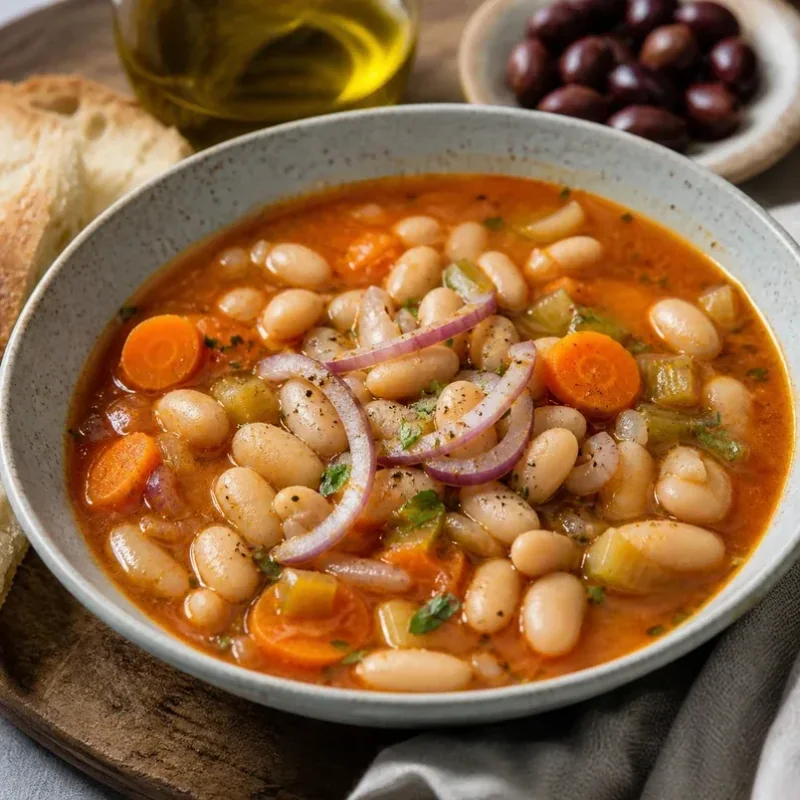 Soup
SoupFasolada
A hearty vegan white-bean soup with tomatoes, carrot, celery, onion, and olive oil.
1 hr 40 min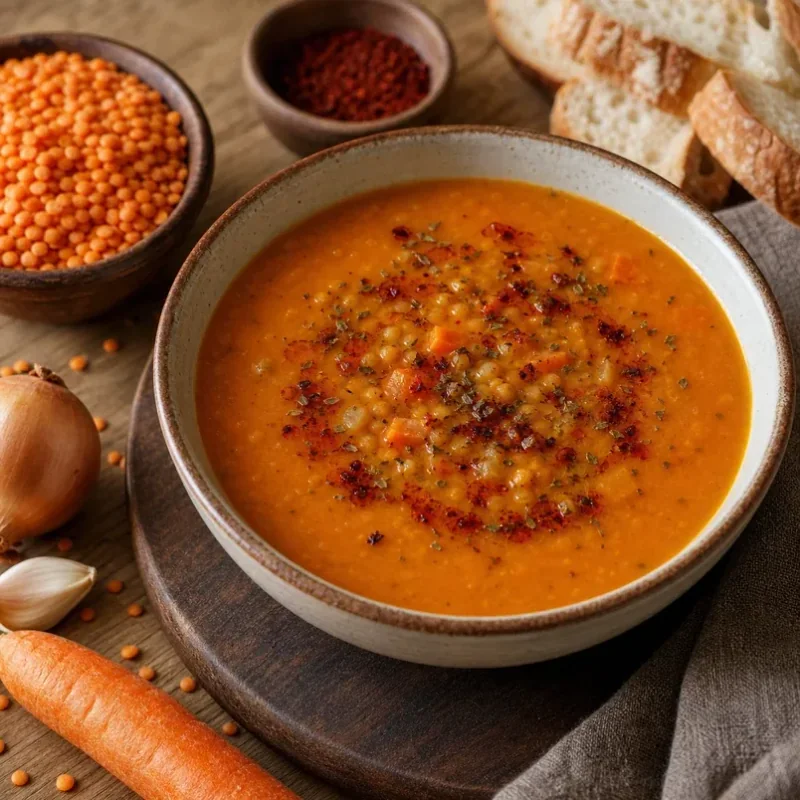 Soup
SoupMercimek Çorbası
A smooth Turkish red-lentil soup with carrot and potato, finished with cumin and spiced butter.
55 min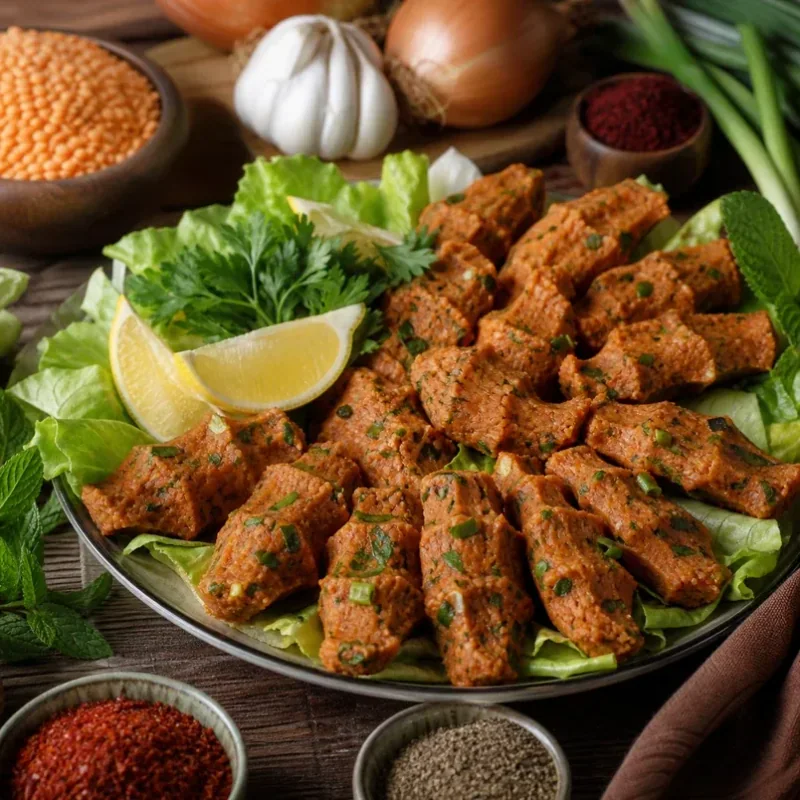 Appetizer
Mercimek Köftesi
Soft unfried red-lentil and fine-bulgur patties seasoned with onion, pastes, herbs, and lemon.
55 minQuestions people ask
A few useful answers
Can I put dried kidney beans straight into a quick stew?
No. Follow their specific safe preparation instructions. This guide does not offer a shortcut for cooking dried kidney beans.
Are lentils always faster than beans?
The forms matter. Canned beans are already cooked; dried varieties have different preparation times. Compare actual products and recipes, not the category name alone.
Food handling references
Practical examples are editorial suggestions. For storage and safe cooking, use food-specific guidance and product instructions.
How we publish our guidesKeep exploring
A useful next read
From this guide to your kitchen
Find a recipe for the kind of beans or lentils you own.
In My Fridge helps you explore recipe options around your own ingredients, so the next dinner can start with what is already there.
Continue with In My FridgeComing soon for iPhone