The short answer
Choose foods already suitable to eat, then combine a substantial base, a filling and something fresh or crisp. Bread with beans, a canned-fish plate or a cheese-and-tomato meal can work without a stove. Ingredients that merely look prepared may still require cooking.
Make the plate large enough for the task
A small side salad is not automatically dinner. Decide how much bread, beans, cheese, fish or another suitable component you want for your appetite. Add a crisp vegetable for contrast, not as decoration hiding an undersized meal. There is no universal portion formula here; the practical check is whether you have made the meal you intended to eat.
Try the method
Worked example: a bean-and-bread plate
- Drain ready-to-eat canned beans according to the product instructions. Put the serving you need in a bowl and reserve the rest in appropriate storage.
- Dress with a little oil and lemon or vinegar if those flavours suit you. Mash some beans with a fork if you want a topping that stays on bread.
- Add washed tomato or cucumber and the bread you plan to eat. Keep dressing off the bread until serving if you want it to stay firm.
- Eat promptly or keep the assembled perishable components safely chilled. A no-cook meal still needs a plan for temperature during a commute or picnic.
Choose fuller recipes with care
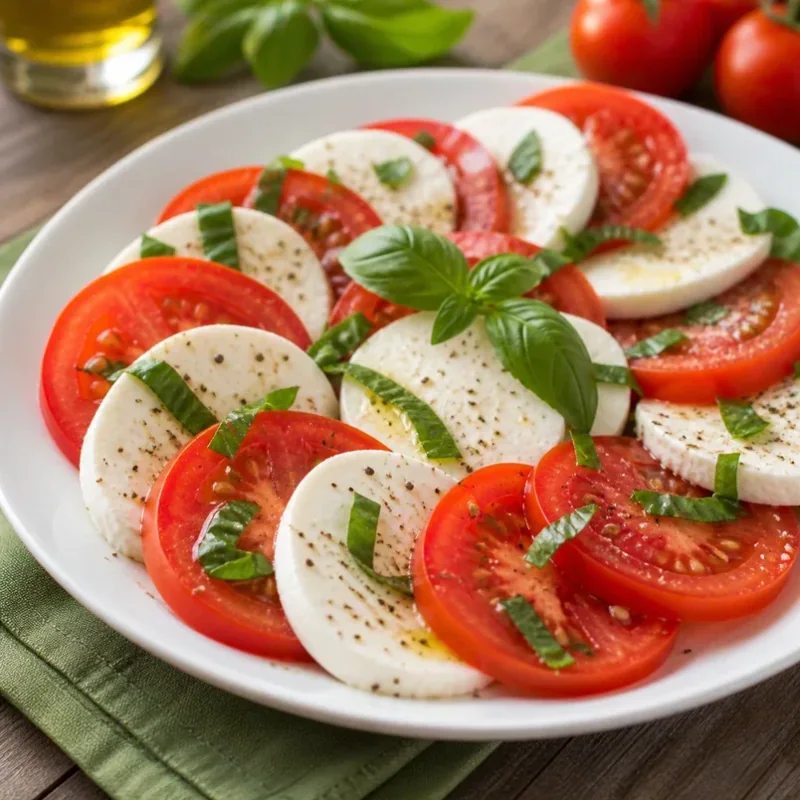
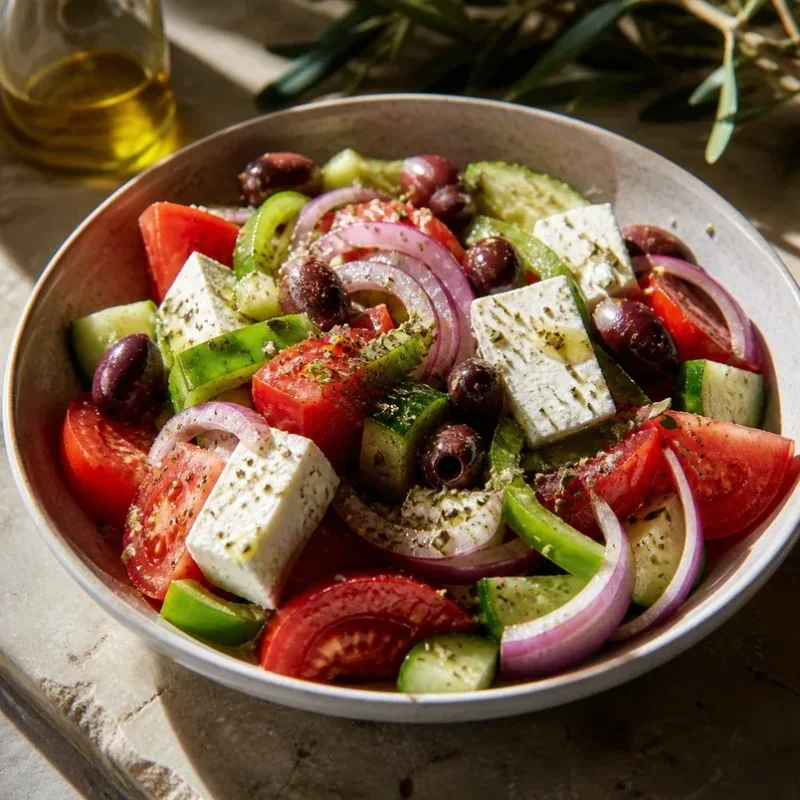
Caprese and horiatiki offer clear cold combinations and ingredient lists. They may need bread or another component to suit your appetite. Other recipes described as salads can include boiling or roasting, so read the method before choosing them as a no-stove option. If all you have is raw food requiring cooking, change the plan rather than bypassing that step.
Practical decision aid
Build a cold meal
- Base: bread or another explicitly ready-to-eat staple.
- Filling: suitable beans, fish, cheese or another preferred option.
- Contrast: washed produce and a small amount of compatible dressing.
Take the next step
Recipes to explore
These are recipe previews from our collection. Check their ingredients and first step; they are separate from the flexible example above.
Questions people ask
A few useful answers
Can I eat frozen vegetables without heating them?
Only when the product explicitly supports that use. Many frozen vegetables require cooking; follow the label rather than assuming freezing makes them ready to eat.
How do I keep a packed no-cook meal safe?
Use suitable refrigeration or a properly chilled insulated container for perishables. Follow the official handling reference, especially in hot weather.
Food handling references
Practical examples are editorial suggestions. For storage and safe cooking, use food-specific guidance and product instructions.
- FoodSafety.gov: food-specific cold storage guidance
- FoodSafety.gov: safe cooking and reheating temperatures
- USDA: handling leftovers safely
- FDA: ready-to-cook foods need the stated cooking treatment
Keep exploring
A useful next read
From this guide to your kitchen
Find an assembled meal using the ingredients in your kitchen.
In My Fridge helps you explore recipe options around your own ingredients, so the next dinner can start with what is already there.
Continue with In My FridgeComing soon for iPhone