The short answer
For an immediate pantry dinner, start with canned or already cooked beans. Pick a thick topping, a spoonable pot or a salad. Add liquid gradually and reserve some whole beans for texture; dried beans require a separate cooking plan.
Read the bean form before reading the clock
“Beans” can mean a dry ingredient, a cooked ingredient or beans already in sauce. Their preparation and seasoning are different. Drain plain canned beans when you want a thick topping; retain useful liquid only if the product and recipe suit it. Beans in a sweet or strongly flavoured sauce need compatible additions rather than an automatic rinse-and-replace approach.
Build flavour around the beans
Tomato gives a saucy direction, softened onion creates a savoury base, and lemon or vinegar can sharpen a finished dish. Mash a few beans into the cooking liquid for thickness before reaching for another ingredient. Add salt only after considering canned beans, stock, olives or cheese already in the meal. A simple bean pot can become too salty when every addition is pre-seasoned.
Try the method
Worked example: tomato beans on toast
- For a modest meal, start with roughly one cup of drained cooked beans and half a cup of canned tomato; scale to appetite and the rest of the plate.
- Soften a little chopped onion in oil if you have it. Add tomato and simmer until it is no longer watery, then stir in the beans.
- Mash a spoonful of beans against the pan to thicken. Heat thoroughly, taste, and adjust with a small amount of a familiar seasoning.
- Spoon over toast immediately so the bread keeps some texture. Store unused ingredients separately if tomorrow's meal will be a salad or a different bean pot.
Choose the longer recipe deliberately
Lobio, fasolada and pasta e fagioli offer different bean traditions and fuller ingredient lists. They are useful next recipes, not a promise that every version starts with a can or takes ten minutes. Read their preparation before deciding whether they fit tonight. Never assume dried kidney beans can be made ready by a brief simmer or a low-temperature shortcut.
Practical decision aid
Choose tonight's bean format
- Toast topping: reduce liquid and mash some beans.
- Soup: keep broth and add substance deliberately.
- Cold plate: use ready-to-eat beans with a dressing and a crisp companion.
Take the next step
Recipes to explore
These are recipe previews from our collection. Check their ingredients and first step; they are separate from the flexible example above.
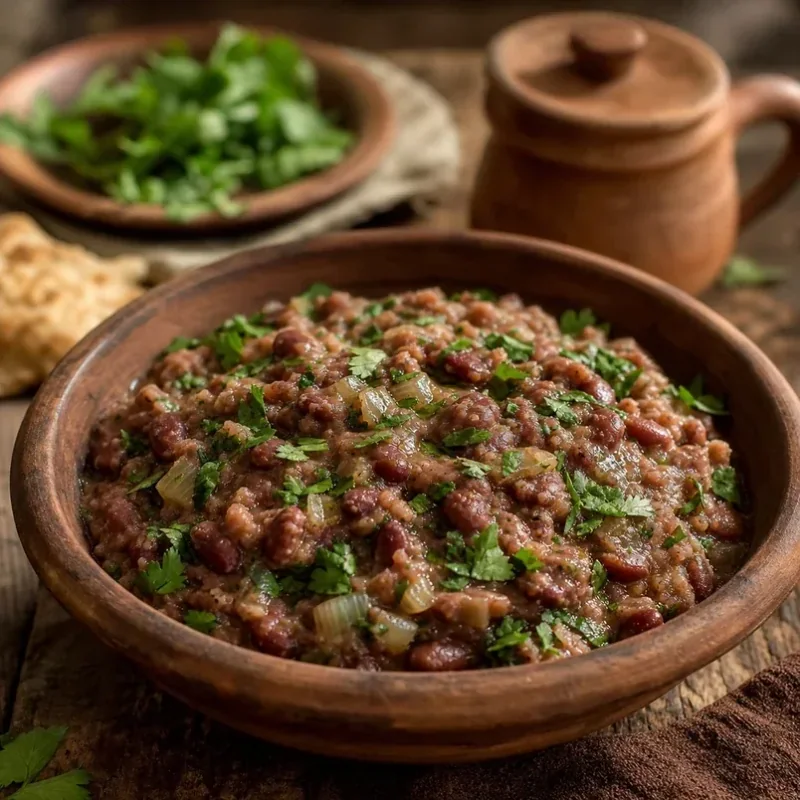 Main course
Lobio
Thick Georgian lobio made with safely cooked red kidney beans, fried onion, garlic, cilantro, wine vinegar, and spices.
10 hr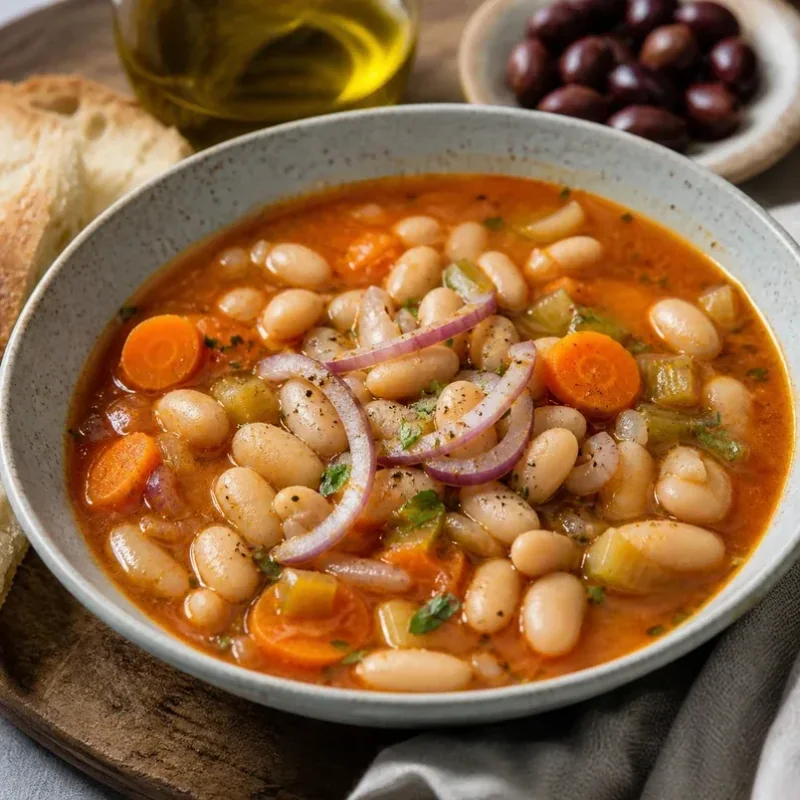 Soup
SoupFasolada
A hearty vegan white-bean soup with tomatoes, carrot, celery, onion, and olive oil.
1 hr 40 min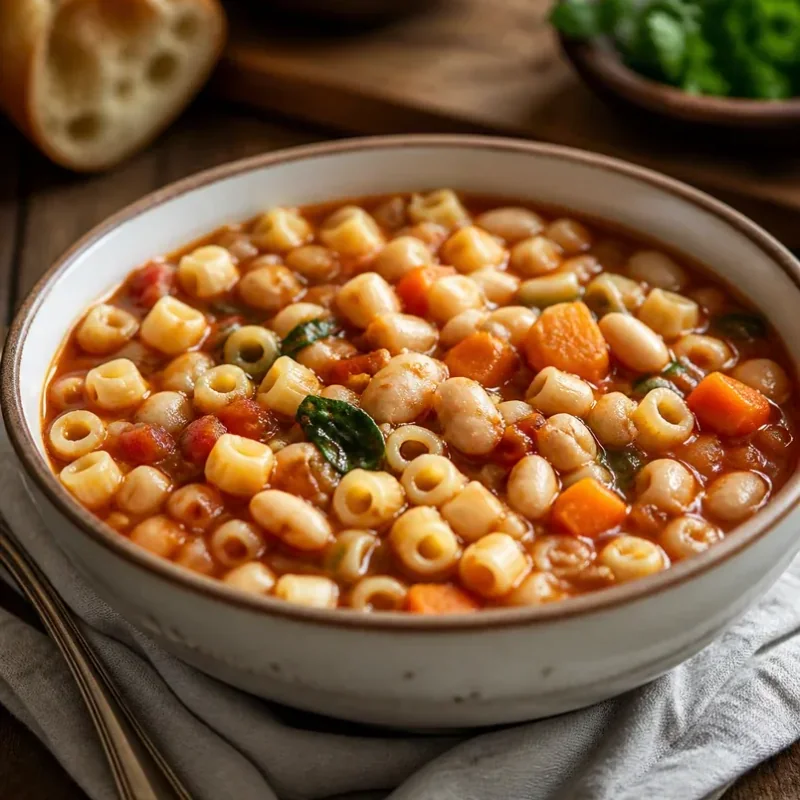 Soup
SoupPasta e Fagioli
A thick borlotti and small-pasta soup with tomatoes and vegetables, naturally thickened with some mashed beans.
55 minQuestions people ask
A few useful answers
Can I replace one canned bean with another?
Often in a simple bowl or topping, but size and softness change the texture. Keep the quantity similar and add fragile beans late.
Do I need expensive extras?
No. One familiar flavour direction is enough. A garnish is optional; the beans and the chosen base do the main work.
Food handling references
Practical examples are editorial suggestions. For storage and safe cooking, use food-specific guidance and product instructions.
How we publish our guidesKeep exploring
A useful next read
From this guide to your kitchen
Find bean recipes using the companions already in your kitchen.
In My Fridge helps you explore recipe options around your own ingredients, so the next dinner can start with what is already there.
Continue with In My FridgeComing soon for iPhone