The short answer
Sort suitable vegetables into firm roots, watery vegetables and tender greens. Choose one cooking method, then add each group when it can finish properly. The aim is to use food while it is still suitable, not to disguise spoiled produce.
Separate urgency from suitability
A vegetable that looks less crisp may still have a culinary use, but appearance alone is not a safety test. Follow storage instructions and discard food that is spoiled or has an uncertain history. Once you have a usable group, choose two or three vegetables that suit one another. Leave the rest for a separate meal instead of making a crowded pan of everything.
Give different vegetables different starting times
Carrots and cabbage need a different cut and sequence from mushrooms or spinach. In a pan, start firm vegetables in small, even pieces; cook watery vegetables with room for moisture to escape; add delicate greens later. In a stew, choose a coherent base such as tomato. A deep pile of mixed vegetables steams, even if your intention was browning.
Try the method
Worked example: carrots, mushrooms and spinach
- Cut the carrots small enough to soften in a skillet. Clean and slice the mushrooms; keep the spinach separate until the end.
- Cook the carrots first with a little oil and, if needed, a splash of water and a lid until nearly tender. Remove the lid to let excess water evaporate.
- Add mushrooms when there is room for them to contact the pan. If the vessel is crowded, cook them separately or choose a stew format.
- Fold in spinach near the finish and let it wilt. Serve with a prepared starch or beans if you want a more substantial meal, rather than treating vegetables alone as automatically enough for everyone.
When the vegetables release too much liquid
Remove the lid and give the liquid time to evaporate before adding another sauce. If everything is already soft, accept the texture and use a soup or mash format. Additional frying will not reliably restore a crisp vegetable that has collapsed. Next time, reduce the batch size or separate the watery ingredient.
Practical decision aid
Sort your vegetables
- Firm: cut evenly and start earlier.
- Watery: allow space and evaporation.
- Tender: add near the end so they keep some character.
Take the next step
Recipes to explore
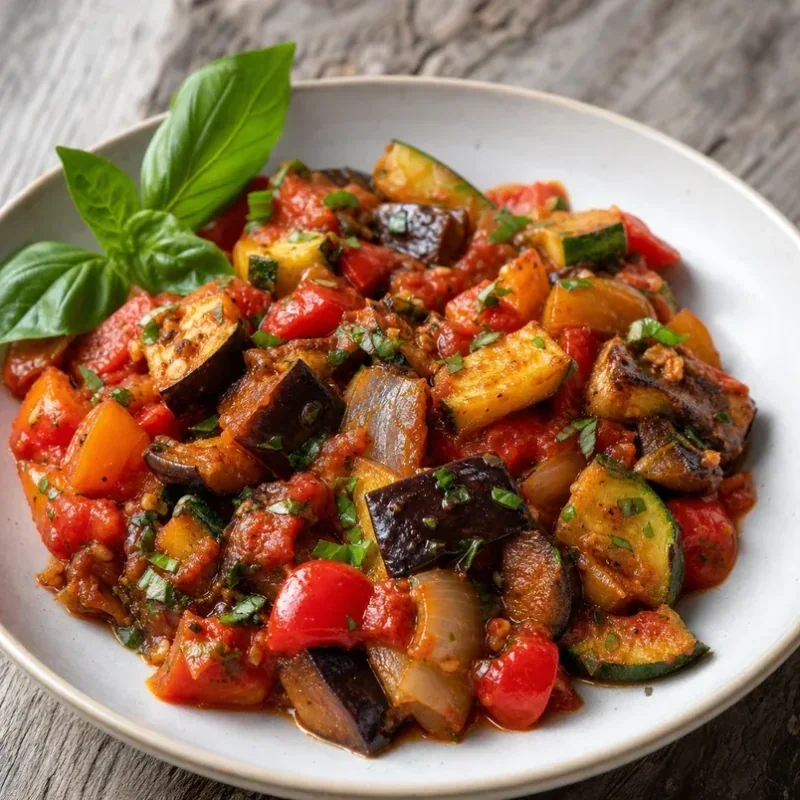
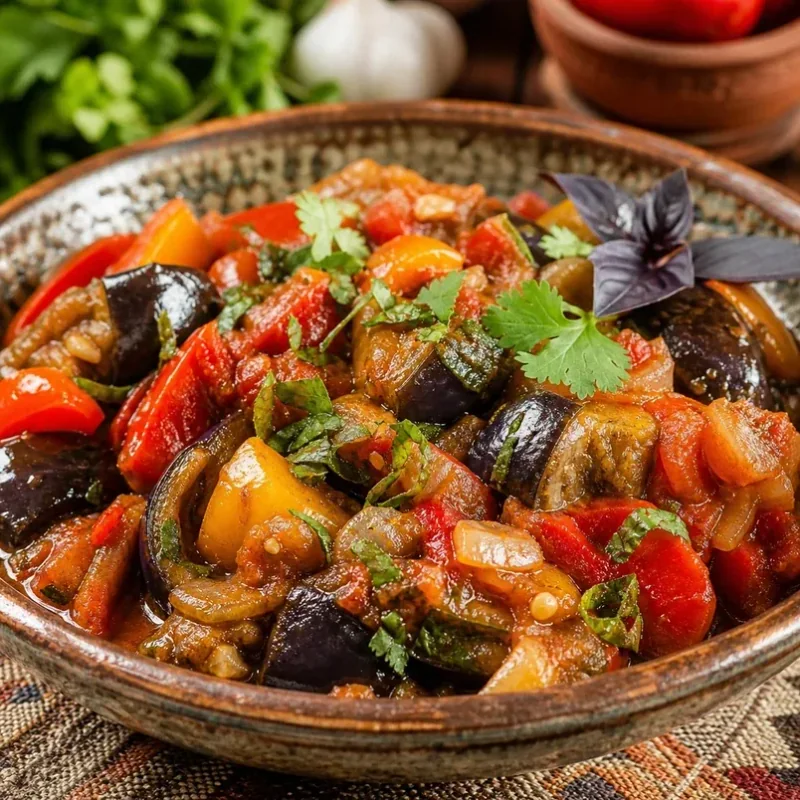
These are recipe previews from our collection. Check their ingredients and first step; they are separate from the flexible example above.
Questions people ask
A few useful answers
Should every vegetable be roasted together?
No. Density, size and moisture differ. Group compatible pieces or add quicker-cooking vegetables later; a single tray does not require a single start time.
Is soup a way to save spoiled vegetables?
No. Start with food suitable to eat. Soup changes texture, not the safety of food that should be discarded.
Food handling references
Practical examples are editorial suggestions. For storage and safe cooking, use food-specific guidance and product instructions.
- FoodSafety.gov: food-specific cold storage guidance
- FoodSafety.gov: safe cooking and reheating temperatures
- USDA: handling leftovers safely
Keep exploring
A useful next read
From this guide to your kitchen
Find a dinner direction for the vegetables you can use now.
In My Fridge helps you explore recipe options around your own ingredients, so the next dinner can start with what is already there.
Continue with In My FridgeComing soon for iPhone