The short answer
Use tomato paste as a concentrated flavour ingredient in a compatible sauce, bean pot or soup. Start with a small amount and account for the liquid the dish needs. It is not a direct cup-for-cup replacement for chopped tomatoes, passata or a finished sauce.
Give the concentrated ingredient a small job
A spoonful can deepen a pot that already has its own vegetables and liquid. Too much can dominate the dish or make it thick and sharp. Check whether the product is plain, salted or already seasoned. Add it where the recipe expects a concentrated base, rather than treating the remainder of a can as a quantity that must all be used tonight.
Plan the remainder before it becomes invisible
Small amounts disappear easily at the back of the fridge. Note the opening date and the amount left, follow product storage guidance, and assign a near-term use. If freezing is suitable for the product, freeze practical small portions promptly and label them. That is more useful than storing one large frozen lump when your usual recipes need only a spoonful.
Try the method
Worked example: a spoonful in a bean pot
- Start a small onion base in oil if it suits the meal. Have ready-cooked beans and the required water or stock measured before the concentrated paste enters the hot pan.
- Stir in a small amount of paste and cook gently as the chosen method requires, taking care that it does not scorch against a dry surface.
- Add compatible liquid gradually and then the beans. Adjust thickness after the mixture heats rather than adding the rest of the paste just to empty its container.
- Taste the finished pot and season carefully. Store or freeze the unused paste according to the product guidance, with a clear next use.
Choose the fuller recipe only when it fits
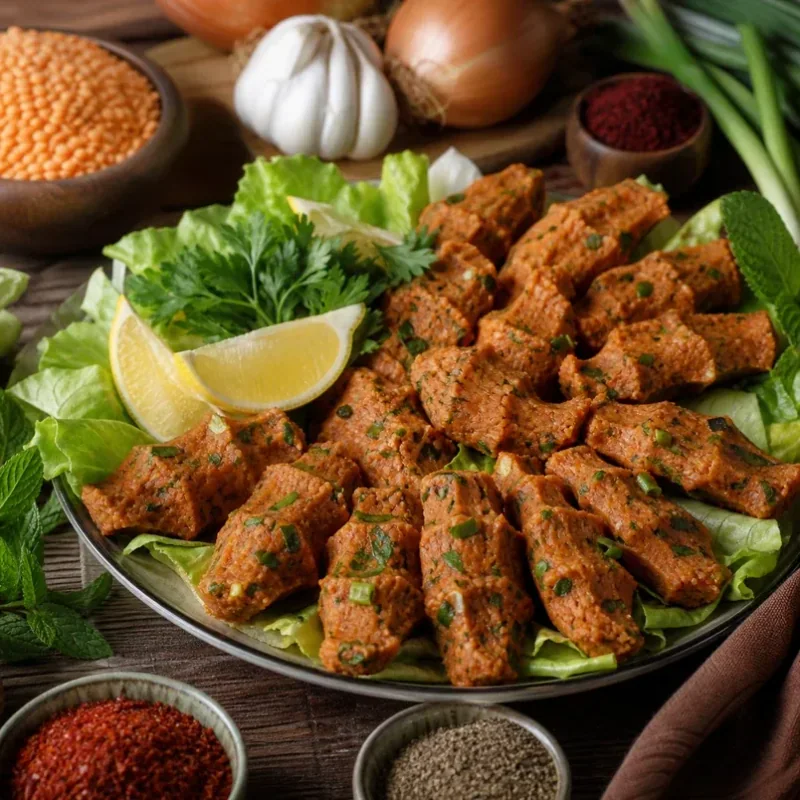
Mercimek köftesi uses tomato paste as part of a specific lentil-and-bulgur mixture. It also needs other ingredients and its own preparation, so it is a deliberate recipe option rather than a universal way to finish a spoonful. A small leftover ingredient should not automatically trigger a large shopping project.
Practical decision aid
Give the paste a measured role
- Flavour: a small amount in a compatible base.
- Liquid: supplied deliberately by the rest of the recipe.
- Remainder: a dated near-term use or appropriate portioned freezing.
Take the next step
Recipes to explore
These are recipe previews from our collection. Check their ingredients and first step; they are separate from the flexible example above.
Questions people ask
A few useful answers
Can I dilute paste to replace canned tomatoes in every recipe?
No. Concentration and texture differ, and the recipe may rely on tomato pieces. Use a tested recipe-specific conversion or choose a method written for paste.
Why does my sauce taste harsh after adding paste?
The amount may be too large, the flavour insufficiently developed for the method, or the paste scorched. Make small changes; burned flavour is not reliably fixed with sugar.
Food handling references
Practical examples are editorial suggestions. For storage and safe cooking, use food-specific guidance and product instructions.
How we publish our guidesKeep exploring
A useful next read
From this guide to your kitchen
Explore recipes that call for the tomato ingredient you actually have.
In My Fridge helps you explore recipe options around your own ingredients, so the next dinner can start with what is already there.
Continue with In My FridgeComing soon for iPhone