The short answer
Use firm mash for small cakes, soft mash as a topping, or a little mash to thicken soup. Check whether it already contains milk, butter, cheese or seasoning. Leftover mash is not equivalent to raw grated potato or plain boiled potato.
Test the consistency before choosing
Cold mash that holds a mound can be shaped more easily than a loose, creamy mash. Adding unlimited flour to a wet mixture often produces a heavy cake with a floury centre. Choose a topping when the mash is too soft to hold together. If it is already salty or cheesy, keep the filling underneath relatively simple.
US food-safety guidance specifies 165°F (74°C) for reheated leftovers; check with a food thermometer, including the centre.
Keep the second dish proportionate
A small container of mash does not require a family-sized pie. Spread it over a single portion of cooked vegetables and beans in an appropriate small baking dish. Alternatively, stir a spoonful into a soup to add body. Consider the original storage date, and use the official leftover handling guidance rather than treating a new dish as a fresh storage clock.
Try the method
Worked example: a small vegetable-and-bean topping
- Choose a shallow oven-safe dish that fits the amount of mash available. Start with safely stored cooked vegetables and ready-cooked beans, not raw ingredients that need a long bake.
- Make the filling moist but not watery. A little tomato sauce can hold it together; pooled liquid will make the mash slide into the filling.
- Spread the mash gently over the top and roughen the surface with a fork. Add an optional small amount of cheese only if it suits the existing seasoning.
- Heat until the centre reaches the safe leftover temperature in the linked reference. Surface browning is a texture cue, not proof that the centre is hot enough.
Why potato cakes fall apart
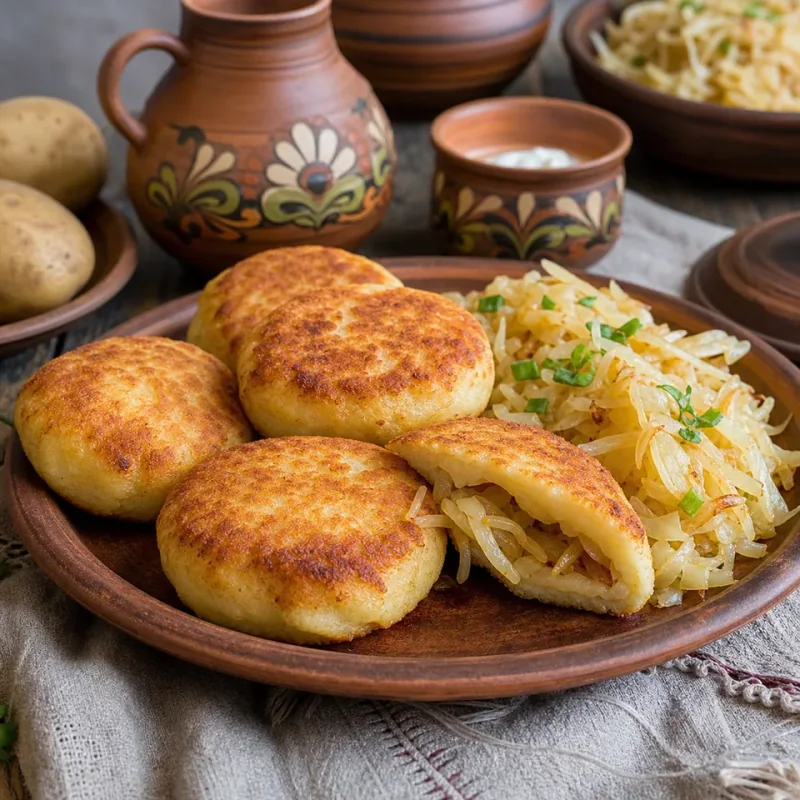
The mixture may be too wet, the cakes too large, or the first side not set before turning. Test one small cake before shaping the whole batch. If it fails, switch to a topping instead of repeatedly adding flour. The linked filled potato recipe provides a more structured method, but its full potato and dough preparation still matters.
Practical decision aid
Choose by consistency
- Firm mash: test a small shaped cake.
- Soft mash: spread over a prepared filling.
- Small amount: use as a thickening addition to a compatible soup.
Take the next step
Recipes to explore
These are recipe previews from our collection. Check their ingredients and first step; they are separate from the flexible example above.
Questions people ask
A few useful answers
Can I make raw-potato pancakes from mash?
No. Grated raw potato and cooked mash behave differently. Use a recipe that calls for a cooked potato mixture.
Can I freeze an already old container of mash?
Freezing does not reset uncertain or unsafe storage. Decide to freeze suitable portions promptly rather than using freezing as a last rescue attempt.
Food handling references
Practical examples are editorial suggestions. For storage and safe cooking, use food-specific guidance and product instructions.
- FoodSafety.gov: food-specific cold storage guidance
- FoodSafety.gov: safe cooking and reheating temperatures
- USDA: handling leftovers safely
Keep exploring
A useful next read
From this guide to your kitchen
Find a practical next meal for your cooked potatoes.
In My Fridge helps you explore recipe options around your own ingredients, so the next dinner can start with what is already there.
Continue with In My FridgeComing soon for iPhone