The short answer
Choose two main uses for a herb bunch before buying it: one fresh finish and one sauce, dressing or cooked use. Match the herb's strength to the dish and keep storage appropriate to the specific herb. A large garnish is not the only way to use the remainder.
Treat herbs as different ingredients
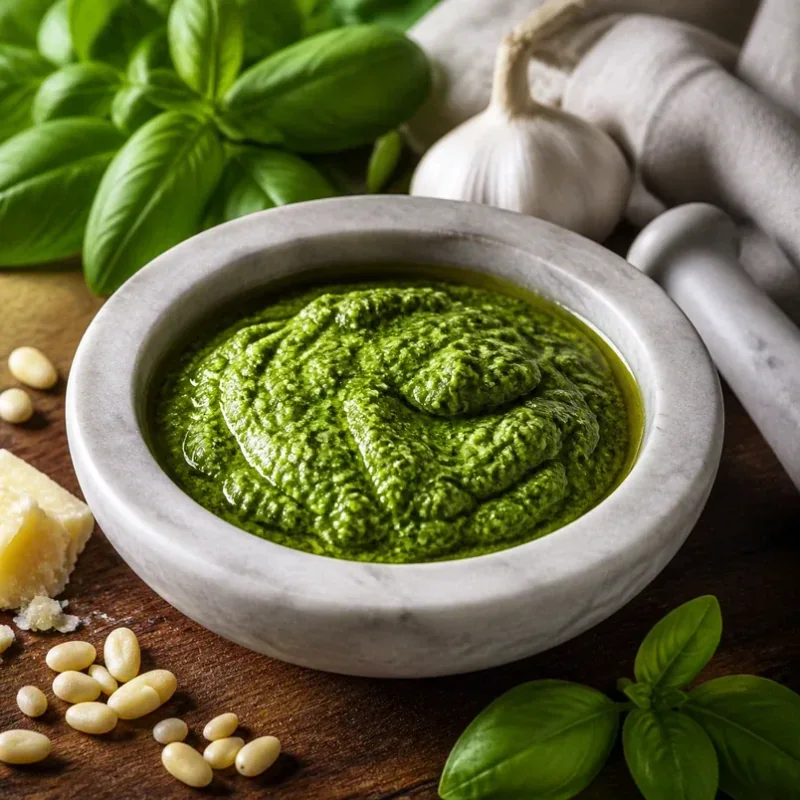
Parsley, basil, dill and rosemary do not have the same flavour or texture. Tender herbs often suit a fresh finish; woody herbs can need a different preparation and may be used during cooking rather than eaten in large pieces. A “use any herb” pesto instruction can create an overpowering result. Choose a sauce whose ingredient list fits the herb you actually own.
Allocate before chopping everything
Keep the portion for a fresh finish separate from the amount intended for a sauce. Wash and dry appropriately for the intended use; excess surface water can dilute a dressing. Check whether stalks are tender and suitable rather than automatically blending tough woody parts. If freezing a suitable portion, label the herb and use, and follow appropriate handling for any added ingredients.
Try the method
Worked example: a parsley bunch with two destinations
- Reserve a small portion for finishing a bean or vegetable meal. Chop only what you need near serving so the garnish does not become a large leftover of its own.
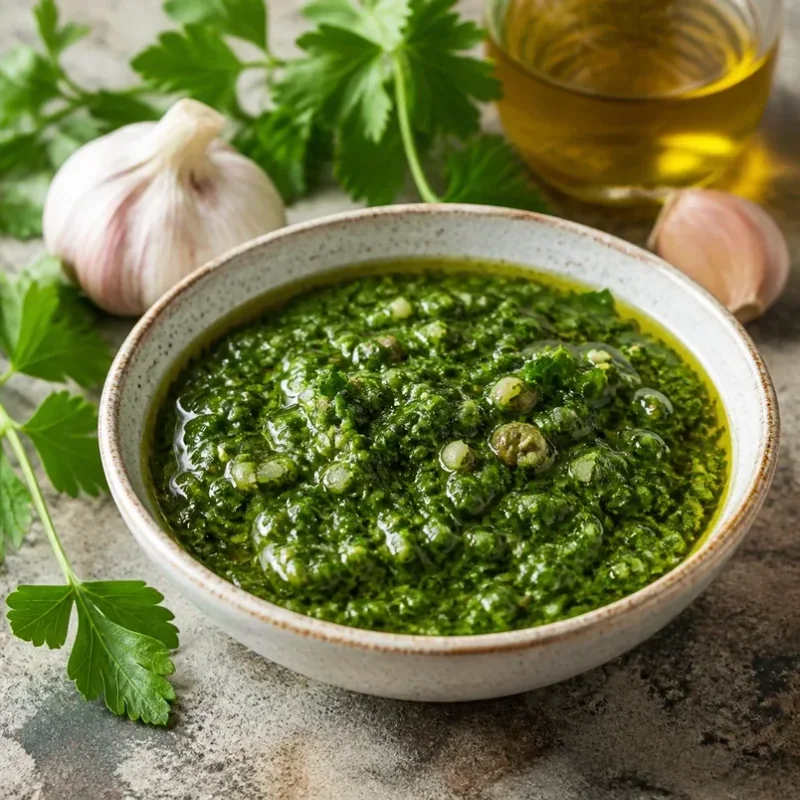
- Use another portion in a compatible herb sauce. The Italian salsa verde recipe below includes additional ingredients with specific roles, not parsley alone.
- Store the unused herb appropriately and assign it to a near-term meal you already plan, such as a salad or another sauce portion.
- If the bunch is much larger than your realistic uses, choose a smaller amount next time. Do not buy several new perishables merely to finish an inexpensive garnish.
Keep strong sauces flexible
A sauce containing anchovies, garlic, cheese or nuts carries more than the herb's flavour and may introduce allergens. Read the complete recipe and storage guidance. Herb-in-oil mixtures are not shelf-stable pantry preserves; do not leave homemade mixtures at room temperature or assume an oil layer makes storage safe.
Practical decision aid
Plan the herb bunch
- Fresh use: one dish that benefits from a finish.
- Larger use: a compatible sauce with its full ingredient list.
- Remainder: appropriate storage and a named next meal.
Take the next step
Recipes to explore
These are recipe previews from our collection. Check their ingredients and first step; they are separate from the flexible example above.
Questions people ask
A few useful answers
Can I replace basil with rosemary in pesto?
Not as a direct bulk replacement. The intensity and texture are very different. Choose a recipe intended for the herb rather than preserving the sauce name at any cost.
Do I need to use the whole bunch today?
No. Plan suitable storage and a realistic second use. The goal is a useful sequence, not adding excessive herbs to one dish.
Food handling references
Practical examples are editorial suggestions. For storage and safe cooking, use food-specific guidance and product instructions.
- FoodSafety.gov: food-specific cold storage guidance
- Oregon State University Extension: herbs and vegetables in oil
Keep exploring
A useful next read
From this guide to your kitchen
Find recipes that give your herbs a clear second use.
In My Fridge helps you explore recipe options around your own ingredients, so the next dinner can start with what is already there.
Continue with In My FridgeComing soon for iPhone