The short answer
Use suitable roasted vegetables where their already-soft texture helps: a pasta sauce, a warm filling or a soup. Add them after raw ingredients have cooked. A second long roast often dries edges further without bringing back the original fresh texture.
Separate delicate pieces from firm ones
Soft courgette or eggplant can melt into a sauce, while carrot or potato pieces may retain more structure. Very small browned pieces can add flavour but burn easily if fried again. Choose the meal according to the vegetables you actually have. A mixed tray seasoned with a strong spice blend should keep that direction instead of receiving several unrelated sauces.
Add moisture with a purpose
A spoonful of tomato, stock or a suitable dressing can connect roasted vegetables with another component. Too much liquid turns a filling into a leak and a pasta dish into soup. Start with a little and adjust after the vegetables warm. Keep any crisp topping separate until serving so the new meal has a contrast the softened vegetables cannot provide.
Try the method
Worked example: roasted-vegetable pasta
- Cook only the dry pasta portion needed for this meal. Set aside some cooking water before draining.
- While it cooks, put safely stored roasted vegetables into a pan with a small amount of tomato sauce or another compatible liquid.
- Heat through, then combine with pasta. Break up a few soft vegetable pieces to help coat it; add reserved water only if the mixture needs loosening.
- Finish with a suitable fresh herb or crisp crumb if already available. Do not buy a long garnish list merely to make the second meal look different.
When soup is the better choice
If the vegetables have lost distinct texture but remain suitable to eat, a soup can use that softness deliberately. Add a compatible liquid gradually and choose whether to leave pieces or blend with appropriate equipment. An ingredient being soft after roasting is different from being spoiled; known safe storage still comes first.
Practical decision aid
Choose by the remaining texture
- Soft: a sauce or soup base.
- Firm pieces: a bowl or filling.
- Dry edges: add controlled moisture and avoid another long uncovered cook.
Take the next step
Recipes to explore
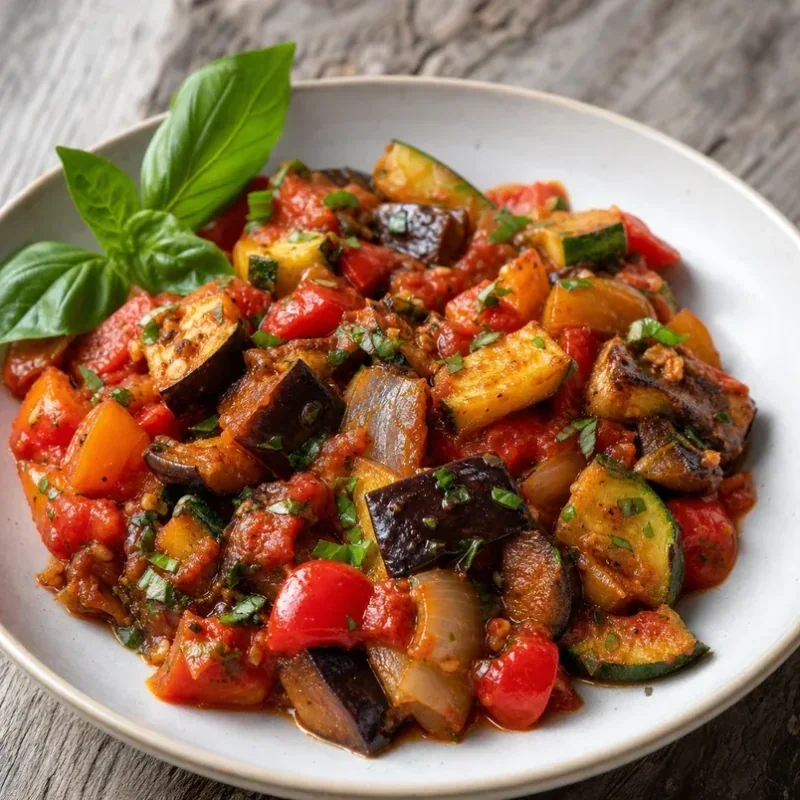
These are recipe previews from our collection. Check their ingredients and first step; they are separate from the flexible example above.
Questions people ask
A few useful answers
Can I add roasted vegetables at the start of a raw-vegetable stew?
Usually they need less time. Prepare the raw components first, then add cooked vegetables for a final thorough heating stage.
Will frying make all leftovers crisp again?
No. Soft or sauce-coated vegetables may remain soft. Choose a different format instead of repeatedly cooking them in pursuit of a texture they no longer have.
Food handling references
Practical examples are editorial suggestions. For storage and safe cooking, use food-specific guidance and product instructions.
- FoodSafety.gov: food-specific cold storage guidance
- FoodSafety.gov: safe cooking and reheating temperatures
- USDA: handling leftovers safely
Keep exploring
A useful next read
From this guide to your kitchen
Explore a different meal for your cooked vegetables.
In My Fridge helps you explore recipe options around your own ingredients, so the next dinner can start with what is already there.
Continue with In My FridgeComing soon for iPhone