The short answer
Stop comparing every possible meal. Choose the constraint that matters most tonight, remove unsuitable options, and compare no more than three finished dishes. If two options still fit, pick the one with the easier first step or an ingredient you already planned to use.
Name the real obstacle
“No idea” can mean no energy, nothing appealing, no time, or too many options. Each asks for a different filter. Low energy suggests fewer active tasks. Little time rules out long preparation even when the final cooking step is quick. Lack of appetite for familiar food may be solved by choosing a different texture or temperature rather than buying a completely new set of ingredients.
Choose a tie-breaker before browsing
Set a rule such as no chopping, one pan, or use the opened tomatoes. Then make a tiny shortlist. Do not keep adding new recipes after finding three that fit. If one needs an unfamiliar technique and another uses a method you know, that difference may matter more than a five-minute estimate on a recipe card.
Try the method
Worked example: three dinners, one tired evening
- Suppose eggs, tomatoes, pasta and cheese are available. First check whether the cheese matches the intended pasta recipe and whether the other ingredients are suitable.
- If you want a warm vegetable-and-egg dish, consider menemen. If you prefer a focused pasta project and can manage the sauce, consider cacio e pepe.
- If cooking is the main barrier, look at a cold assembled option whose ingredients are already ready; remember that a tuna salad with boiled eggs still needs preparation unless those eggs are ready.
- Choose one. Set out only that recipe's ingredients and begin the first preparation step. Close the other options until the meal is finished.
Make the next decision smaller
After dinner, note the successful fallback in whatever list you already use. Keep two or three reliable options tied to actual supplies, such as freezer vegetables, pasta or eggs. A reserve list works when you enjoy the meals and replenish their ingredients. It does not need to become a rigid seven-day menu.
Practical decision aid
Break the tie
- Time: eliminate methods that cannot fit tonight.
- Energy: prefer fewer active stages and familiar equipment.
- Ingredients: use a suitable opened item before starting another package.
Take the next step
Recipes to explore
These are recipe previews from our collection. Check their ingredients and first step; they are separate from the flexible example above.
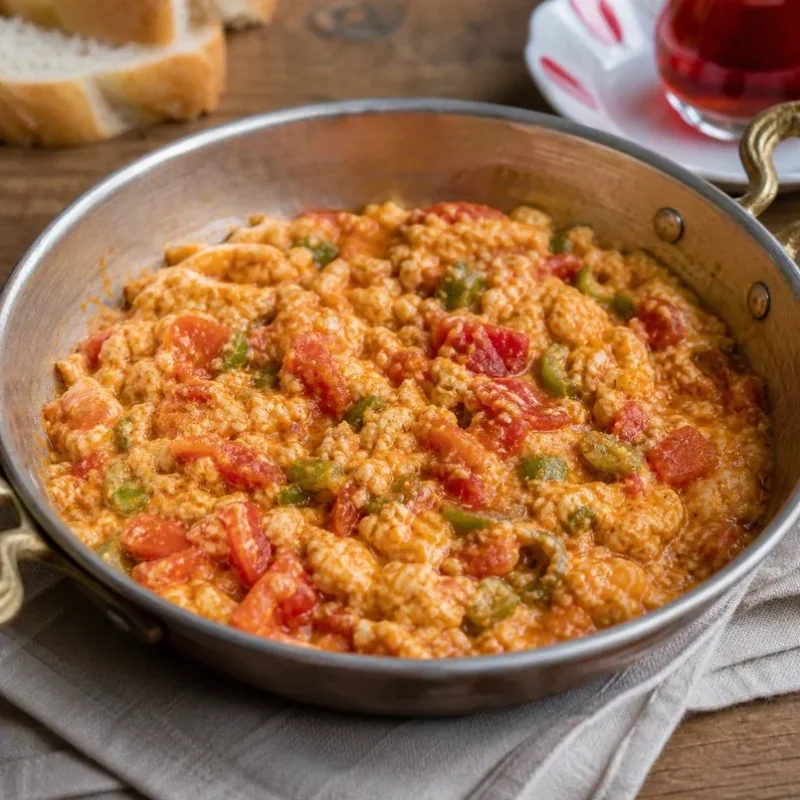 Main course
Menemen
A soft Turkish scramble of tender green peppers and reduced tomatoes, removed from the heat before the eggs become dry.
25 min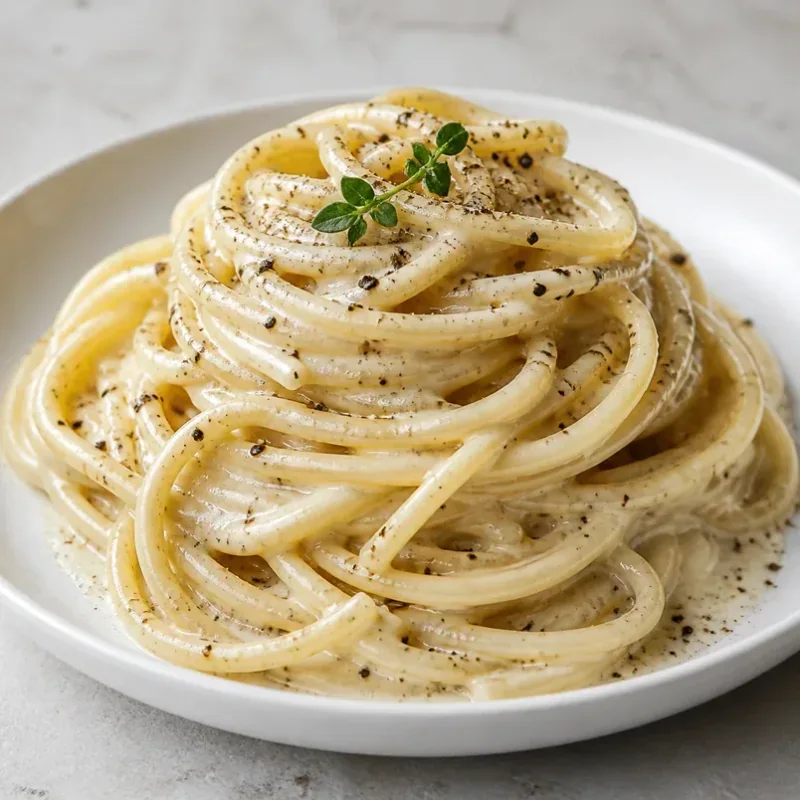 Main course
Cacio e Pepe
Roman pasta coated in a smooth emulsion of Pecorino, toasted black pepper, and concentrated starchy water.
25 min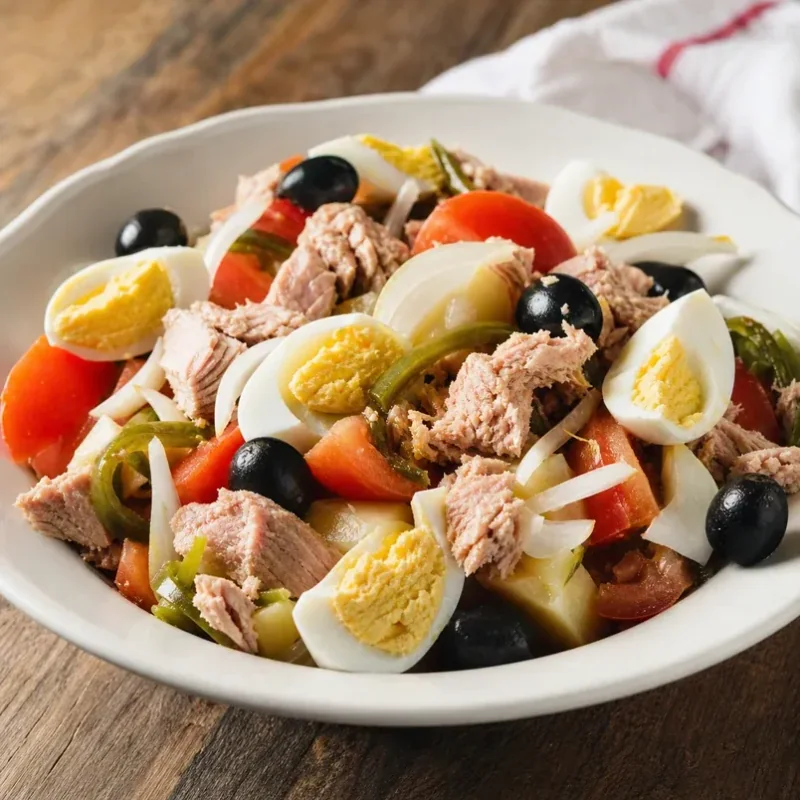 Salad
SaladEnsalada Murciana
A simple salad combines well-drained canned tomatoes, tuna, egg, onion, and olives in a bright dressing.
25 minQuestions people ask
A few useful answers
What if none of the options sounds exciting?
Choose a tolerable, practical meal for tonight. A weekday dinner does not have to solve your entire cooking routine or introduce a new cuisine.
Should the fastest recipe always win?
Only if time is the main constraint. A slightly longer familiar pot may take less active effort than a fast recipe with several simultaneous tasks.
Food handling references
Practical examples are editorial suggestions. For storage and safe cooking, use food-specific guidance and product instructions.
How we publish our guidesKeep exploring
A useful next read
From this guide to your kitchen
Build a smaller shortlist from what you already have.
In My Fridge helps you explore recipe options around your own ingredients, so the next dinner can start with what is already there.
Continue with In My FridgeComing soon for iPhone