The short answer
Give vegetables a finished meal format: a bean pot, pasta bowl, stuffed bread or potato plate. Choose a substantial companion and a sauce or dressing that connects them. A tray of vegetables may be a side dish for you; the rest of the meal should be an intentional decision.
Start with the amount you have
Two mushrooms and a handful of spinach can flavour pasta, but they are unlikely to create the same meal as a large pan of mixed vegetables. Count the people eating and the amount of the main vegetable. If vegetables are scarce, use them as the flavour or texture component of a starch-and-bean meal rather than spreading them thinly across several dishes.
Connect the components with one direction
Tomato can tie beans and vegetables into a pot. Yogurt can connect roasted vegetables with bread. A little oil and a suitable sharp ingredient can dress a warm bowl. Avoid treating every vegetable as a separate side with a separate sauce. The goal is a coherent plate that can be prepared with the energy and equipment available.
Try the method
Worked example: mushrooms and spinach become pasta
- Set out one portion of dry pasta, a handful of suitable mushrooms and spinach, and a little oil or another compatible sauce ingredient.
- Cook the pasta according to its instructions. Meanwhile, cook sliced mushrooms with enough room for their moisture to evaporate rather than trapping them under a lid.
- Add spinach near the end of the mushroom step, then combine with pasta. Reserve cooking water so the mixture can be loosened without becoming oily.
- If the amount feels too small for dinner, add a suitable ready-cooked bean or serve another component you already have. Decide this before cooking a second full recipe.
Keep the method compatible with the vegetable
Roasted vegetables bring softness and browning; raw cucumber brings crunch and water. They cannot always replace each other without changing the plate. Use the catalog recipes below to explore fuller vegetable dishes, but check whether they are the whole dinner for your needs or a component to pair with something else.
Practical decision aid
Build one coherent plate
- Vegetable: choose an amount and a cooking method.
- Substance: add the companion that fits your appetite.
- Connection: one sauce, dressing or cooking liquid, used deliberately.
Take the next step
Recipes to explore
These are recipe previews from our collection. Check their ingredients and first step; they are separate from the flexible example above.
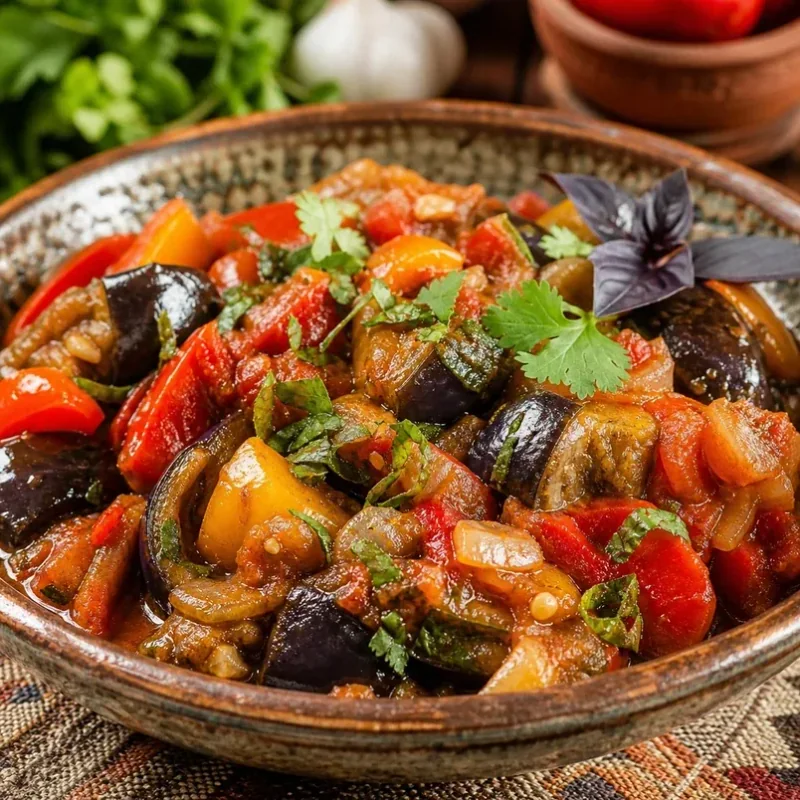 Vegetable dish
Ajapsandali
A Georgian vegetable stew of browned eggplant, sweet peppers, tomatoes, onions, garlic, and fresh herbs.
1 hr 20 min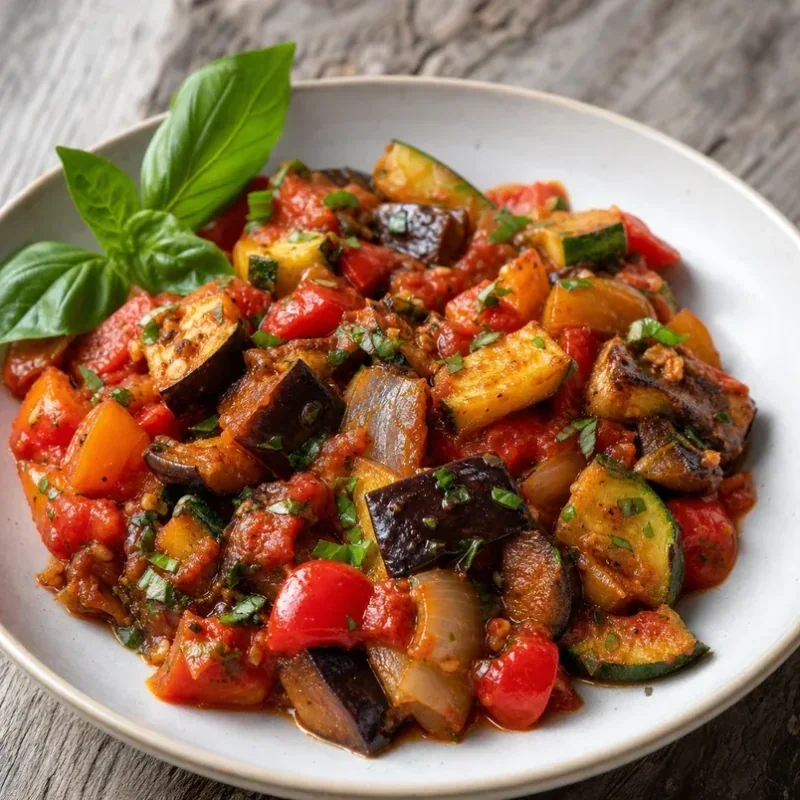 Main course
Ratatouille
Provençal eggplant, zucchini, peppers, and tomatoes cooked separately and combined into an aromatic vegetable stew.
1 hr 15 min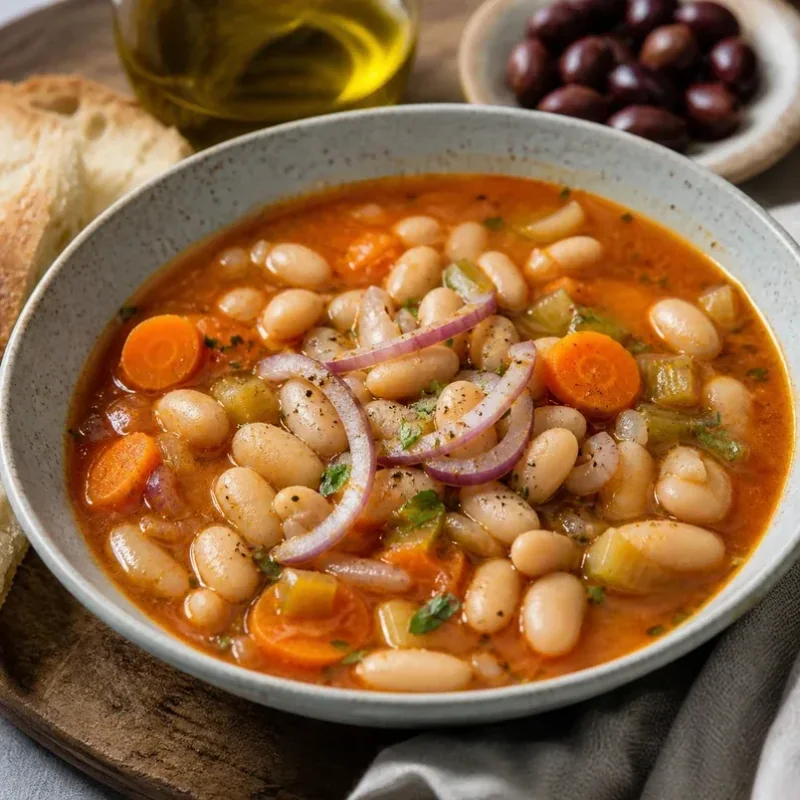 Soup
SoupFasolada
A hearty vegan white-bean soup with tomatoes, carrot, celery, onion, and olive oil.
1 hr 40 minQuestions people ask
A few useful answers
Does every vegetable dinner need meat?
No. Beans, lentils, eggs, dairy or other suitable foods can play different roles. Choose according to your preferences and needs rather than a universal formula.
How is this different from a use-up guide?
This guide builds the whole plate. The use-up guide focuses on sorting vegetables by condition, moisture and cooking order before deciding their role.
Food handling references
Practical examples are editorial suggestions. For storage and safe cooking, use food-specific guidance and product instructions.
How we publish our guidesKeep exploring
A useful next read
From this guide to your kitchen
Find a complete dinner direction for your vegetables.
In My Fridge helps you explore recipe options around your own ingredients, so the next dinner can start with what is already there.
Continue with In My FridgeComing soon for iPhone