The short answer
Scale ingredient quantities carefully, then choose cookware that keeps a similar depth and cooking environment. Do not automatically halve cooking time. A smaller batch may heat differently, but food still needs the recipe's texture and safe cooking endpoint.
Separate simple arithmetic from method changes
Half of 400 grams is 200 grams; half of eight eggs is four. The harder questions are evaporation, pan size and awkward units. A sauce in a very wide pan reduces faster than the same amount in a narrow one. A thick bake needs its centre cooked even when the total batch is smaller. Read the method before assuming a mathematically correct ingredient list guarantees the same result.
Handle awkward quantities deliberately
For an ordinary savoury recipe needing half an egg, beat the egg and measure the portion, storing or using the remainder safely. You can also choose a batch size that uses whole eggs. Seasoning can be scaled initially, then adjusted where tasting is appropriate. Do not taste raw meat or raw egg mixtures to check seasoning, and do not apply casual scaling rules to preservation or specialist baking formulas.
Try the method
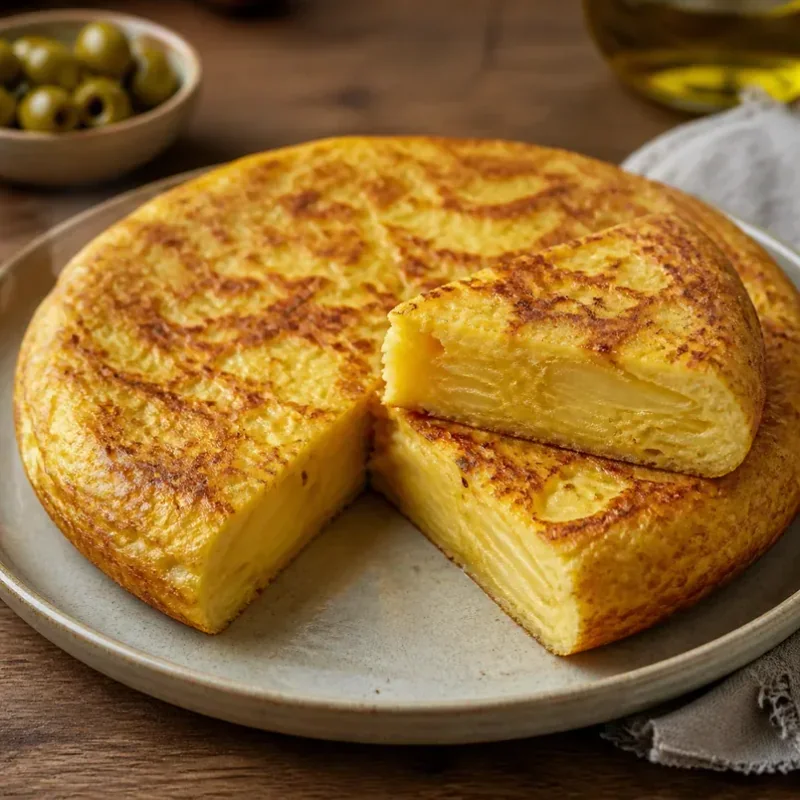
Worked example: reducing a potato-and-egg recipe
- Read the stated servings and decide the number you want. Calculate each ingredient using the same ratio rather than reducing only the main ingredients.
- Select a smaller suitable pan so the mixture does not spread into an unexpectedly thin layer. Confirm any oven or lid requirements.
- Prepare the potatoes to the recipe's tenderness endpoint. A smaller quantity still needs the pieces cooked through before the egg stage.
- Check the finished egg dish using the appropriate safe temperature guidance. Begin observing earlier if the batch is thinner, but do not use “half the minutes” as the rule for serving.
Keep one unchanged feature where possible
Maintaining the cut size, mixture depth or cooking method makes the adjustment easier to reason about. If you change all three at once, diagnosing a dry or undercooked result becomes harder. For a first attempt, a naturally small stovetop dish may be easier than shrinking a large layered bake.
Practical decision aid
Check the scaled recipe
- Quantities: apply the same serving ratio consistently.
- Vessel: keep a sensible depth and surface area.
- Endpoint: tenderness and safe temperature take priority over a divided timer.
Take the next step
Recipes to explore
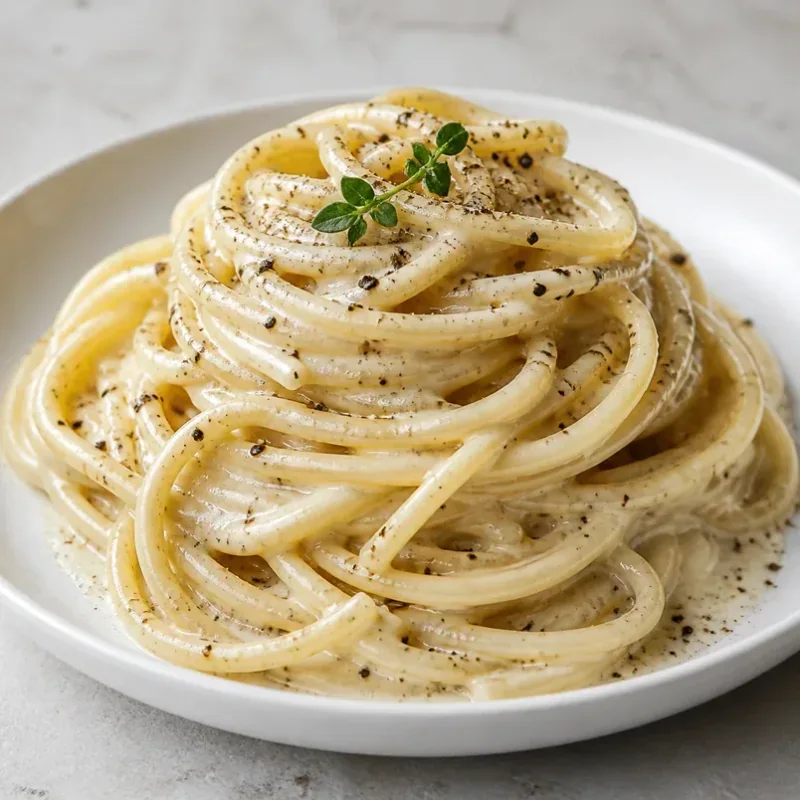
These are recipe previews from our collection. Check their ingredients and first step; they are separate from the flexible example above.
Questions people ask
A few useful answers
Can I halve the heat as well?
No. Burner level is not an ingredient quantity. Use heat appropriate to the method and pan, adjusting if food cooks unevenly or liquid reduces too quickly.
What if the recipe uses one whole can?
Measure the portion needed and plan the rest before opening. Alternatively, choose a recipe size that uses the pack and safely store an intended extra serving.
Food handling references
Practical examples are editorial suggestions. For storage and safe cooking, use food-specific guidance and product instructions.
- FoodSafety.gov: safe cooking and reheating temperatures
- FoodSafety.gov: food-specific cold storage guidance
Keep exploring
A useful next read
From this guide to your kitchen
Explore recipes that are easier to fit to your portion needs.
In My Fridge helps you explore recipe options around your own ingredients, so the next dinner can start with what is already there.
Continue with In My FridgeComing soon for iPhone