The short answer
Fresh and frozen vegetables can support many of the same meal formats, but their moisture and starting texture differ. Follow the frozen product's cooking instructions, choose a compatible cut, and adjust the method. A straight weight swap does not guarantee identical browning or crunch.
Match the job before the quantity
Frozen peas can suit a soup or pasta dish, while a crisp raw salad needs ingredients appropriate for uncooked use. Frozen chopped vegetables may release water faster than fresh pieces. Large florets and small dice also cook differently. Choose the format you want, then check whether the available product can produce it without an elaborate workaround.
Give released water somewhere to go
In a soup, additional moisture may simply mean using less added liquid initially. In a skillet, a crowded frozen mixture can steam rather than brown. Follow package directions and allow evaporation when the method needs a drier result. Add a concentrated sauce only after assessing the water in the pan; otherwise the sauce may become diluted before the vegetables are ready.
Try the method
Worked example: frozen vegetables in a simple bean pot
- Check the product's cooking instructions and the size of its pieces. Start with a small batch that your pot can hold comfortably.
- Prepare a compatible tomato or broth base. Add the vegetables at a stage that allows their required cooking, with less extra liquid at first if they release plenty of water.
- Add ready-cooked beans near the end and heat through. Adjust thickness after the vegetables have cooked rather than guessing from their frozen volume.
- Taste the finished pot and add only the liquid or seasoning needed. Serve promptly and handle any saved portion according to appropriate leftover guidance.
Accept a different result when necessary
A frozen vegetable can be useful without imitating its fresh version perfectly. Softness may suit soup, filling or sauce. If the goal is a very crisp raw salad, choose a suitable fresh ingredient or another meal. Do not keep cooking a soft vegetable in the hope that all its original texture will return.
Practical decision aid
Check a fresh-to-frozen swap
- Role: does the final dish need crunch or softness?
- Moisture: will released water help or dilute it?
- Method: follow the product's required cooking, not appearance alone.
Take the next step
Recipes to explore
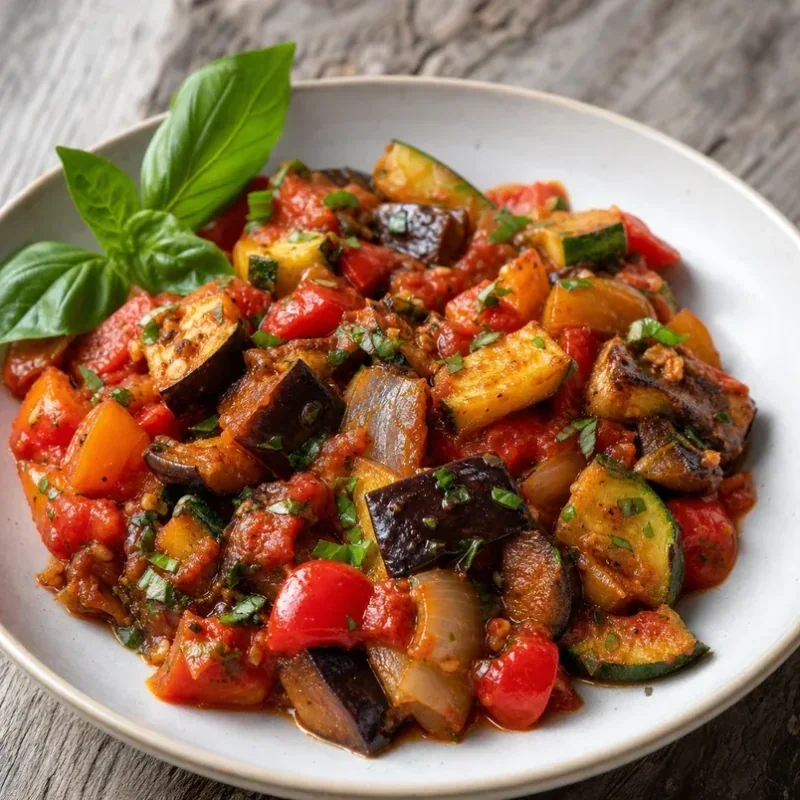
These are recipe previews from our collection. Check their ingredients and first step; they are separate from the flexible example above.
Questions people ask
A few useful answers
Do frozen vegetables always need thawing first?
No universal rule applies. Follow the product and recipe instructions; some methods use them from frozen, while others require a specific thawing or draining step.
Are frozen vegetables ready to eat?
Not necessarily. Many require cooking. Read the label even when you intend to use them in a cold meal.
Food handling references
Practical examples are editorial suggestions. For storage and safe cooking, use food-specific guidance and product instructions.
- FoodSafety.gov: food-specific cold storage guidance
- FoodSafety.gov: safe cooking and reheating temperatures
- USDA: handling leftovers safely
- FDA: ready-to-cook foods need the stated cooking treatment
Keep exploring
A useful next read
From this guide to your kitchen
Explore meals that suit the vegetable format you already own.
In My Fridge helps you explore recipe options around your own ingredients, so the next dinner can start with what is already there.
Continue with In My FridgeComing soon for iPhone