The short answer
A useful five-ingredient dinner names every purchased ingredient, including oil and salt. Choose a dish with one main ingredient and a clear technique. A short list can simplify shopping, but it does not automatically mean fast or effortless cooking.
Count what you actually need
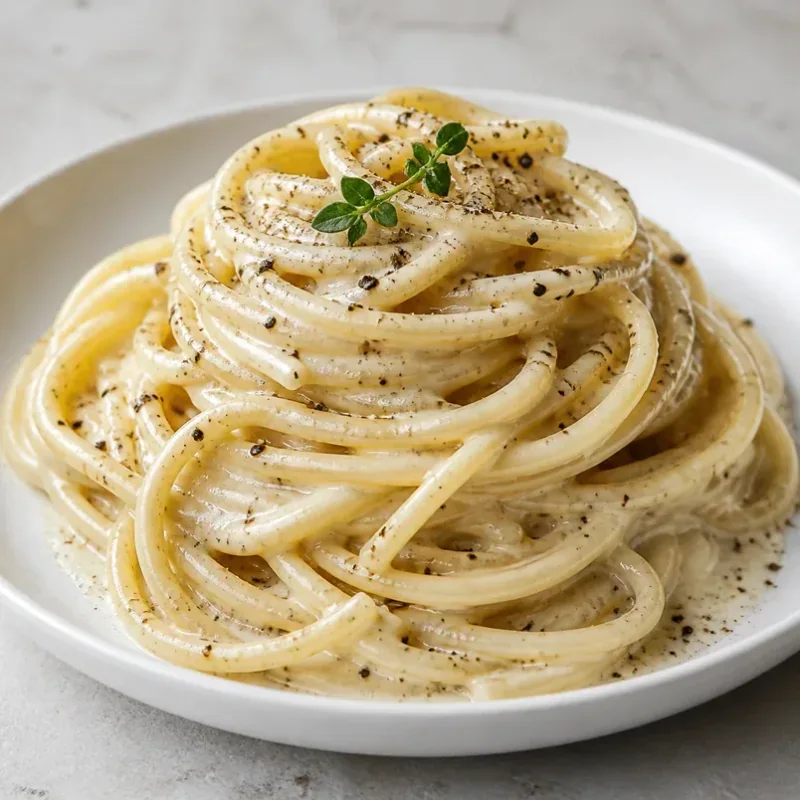
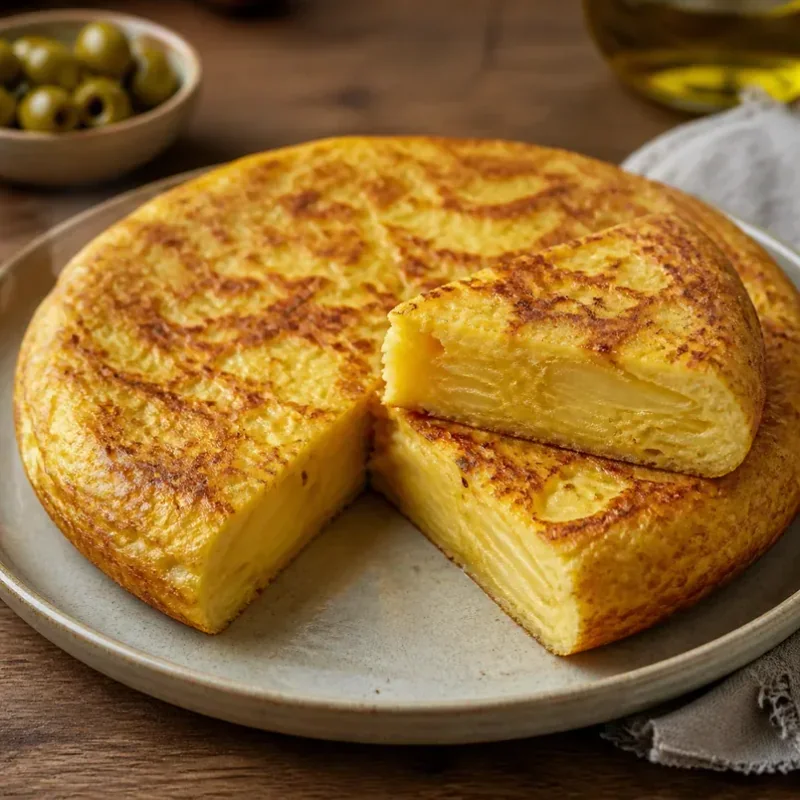
Read the method as well as the list. “Serve with salad and dressing” adds ingredients if you need to buy them. Water is not a shopping item, but oil, pepper, butter and salt are. The cacio e pepe recipe below lists pasta, Pecorino Romano, pepper and salt; Spanish tortilla lists potatoes, eggs, onion, oil and salt. Both are focused lists, but their equipment and active work differ.
Use technique instead of extra purchases
Browning, reducing liquid and emulsifying cheese create flavour and texture without adding a bottled sauce. They still require attention. Cacio e pepe relies on starchy pasta water and careful heat management; putting cheese into a fiercely boiling pan can create clumps. A tortilla requires the potatoes to soften before the eggs finish. Decide which kind of work is manageable before selecting the shortest list.
Try the method
Worked example: choose between two short lists
- Check whether you have the specified hard cheese for pasta or enough eggs and potatoes for a tortilla; neither missing centrepiece is merely a garnish.
- Compare the full recipe quantities with the number of people eating. A recipe with four ingredients can still make several portions.
- For pasta, set a mug beside the cooker to reserve cooking water before draining. For tortilla, prepare the potatoes evenly so they soften together.
- Serve the chosen dish as written. If you add a salad, describe it as an optional accompaniment rather than hiding its ingredients inside the five-item promise.
Where short lists disappoint
A cheese dish, sauce or bread recipe may have few ingredients without being a complete dinner for your appetite. Check what the finished recipe produces. Also consider leftover purchases: a specialised cheese bought for one meal may be less convenient than an extra everyday ingredient you will use tomorrow.
Practical decision aid
Compare more than the number
- Shopping: count oil, seasonings and suggested sides.
- Technique: notice flipping, frying or emulsifying.
- Leftovers: decide where the rest of each purchase will go.
Take the next step
Recipes to explore
These are recipe previews from our collection. Check their ingredients and first step; they are separate from the flexible example above.
Questions people ask
A few useful answers
Do salt and oil count here?
Yes. We count purchased ingredients, including seasonings. Water is disclosed where used but is not an extra grocery purchase.
Is five ingredients always easier for beginners?
No. A slightly longer one-pot recipe may need less technique than a short emulsified sauce. Read the key cooking step before deciding.
Food handling references
Practical examples are editorial suggestions. For storage and safe cooking, use food-specific guidance and product instructions.
How we publish our guidesKeep exploring
A useful next read
From this guide to your kitchen
Explore recipes that fit the ingredients you already own.
In My Fridge helps you explore recipe options around your own ingredients, so the next dinner can start with what is already there.
Continue with In My FridgeComing soon for iPhone