The short answer
Stock a few ingredients tied to meals you already like. Choose one assemble-only option, one heating option and one simple cooking option. A backup pantry works when its ingredients get used and replenished, not when it becomes a collection of emergency food nobody wants.
Name the meal before buying the ingredient
“More staples” is too vague to shop from. Write a specific fallback such as beans on toast, tomato pasta or a freezer-vegetable bowl. Check what each requires, including oil and seasoning. If you never enjoy a particular canned food, it does not become a good reserve merely because it keeps well. Start with three familiar meals rather than a universal list of thirty products.
Spread the effort and storage needs
Keep at least one option that does not depend on a full freezer or a long cooking session. Bread can be portioned and frozen when appropriate; canned beans and tomatoes can serve several meals. A backup relying on fresh herbs, delicate greens and a special dairy ingredient may not be available when plans change. Balance convenience with the storage space you actually have.
Try the method
Worked example: a compact reserve basket
- Check your kitchen first. For a household that enjoys these foods, note bread, ready-cooked beans, pasta, canned tomatoes and one familiar sauce or seasoning direction.
- Assign the ingredients to three meals: bean toast, tomato pasta, and a thick tomato-bean pot. Add freezer vegetables only if you have space and use them regularly.
- Record the missing items and buy practical pack sizes. Do not buy a large multipack if opened leftovers routinely get discarded in your household.
- When you use a reserve ingredient, put it on the next ordinary shopping list. The replacement habit matters more than buying everything in one large stocking trip.
Allow the backup to be ordinary
The purpose is to make a difficult evening manageable, not to create an impressive menu. Rotate a fallback when you stop wanting it, using the remaining ingredients in another known meal. Check package dates and condition during regular use; a pantry reserve is still food that needs appropriate storage and inspection.
Practical decision aid
Check the reserve
- Enjoyment: each ingredient belongs to a meal you like.
- Availability: at least one option survives a nearly empty fridge.
- Replenishment: used items return to the normal shopping list.
Take the next step
Recipes to explore
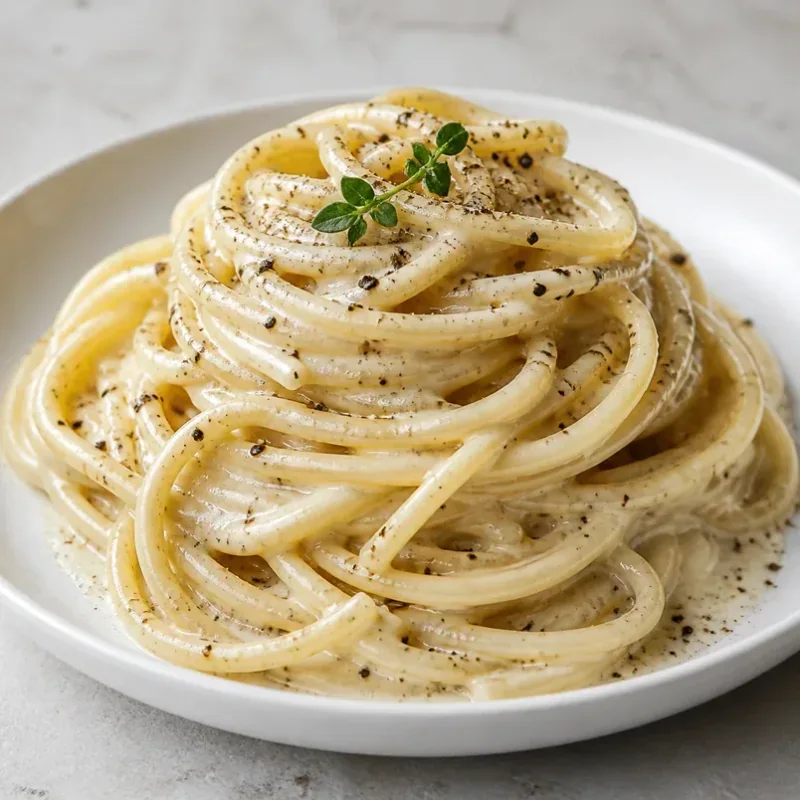
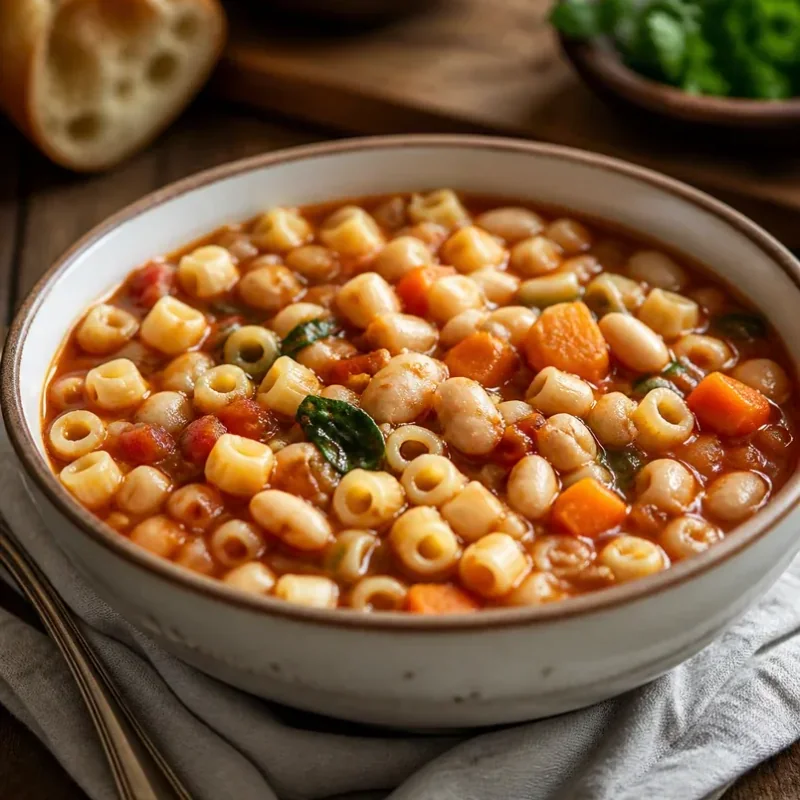
These are recipe previews from our collection. Check their ingredients and first step; they are separate from the flexible example above.
Questions people ask
A few useful answers
How many backup meals do I need?
Start with two or three that cover different effort levels. Expand only when the existing ingredients are being used rather than accumulating.
Will this guarantee cheaper dinners?
No. Prices and habits vary. The practical aim is fewer unplanned ingredient gaps; compare local costs and buy quantities you will actually use.
Food handling references
Practical examples are editorial suggestions. For storage and safe cooking, use food-specific guidance and product instructions.
- FoodSafety.gov: food-specific cold storage guidance
- FoodSafety.gov: safe cooking and reheating temperatures
- USDA: handling leftovers safely
Keep exploring
A useful next read
From this guide to your kitchen
Explore recipe options before deciding what to keep on hand.
In My Fridge helps you explore recipe options around your own ingredients, so the next dinner can start with what is already there.
Continue with In My FridgeComing soon for iPhone