The short answer
Choose dinner by the work you can manage: assemble, heat or cook one simple component. A 20-minute recipe can still involve chopping, washing and juggling two pans. Start with your energy level, then choose ingredients already close to ready.
Count active tasks instead of trusting the label
Look for peeling, chopping, grating, draining and cleanup. A recipe that says “add cooked rice” has hidden earlier work if your rice is dry. A long simmer can be low effort, but it is not useful when you need to eat immediately. Choose the constraint honestly: minimal work and shortest wait are different goals.
Keep three effort levels available
At the lowest level, assemble bread, a ready-to-eat filling and a suitable fresh or canned accompaniment. At the next level, heat beans or soup and serve with bread. When you can manage one preparation, cook pasta or eggs with a simple companion. You do not need to make a fresh sauce and a side dish just because you have turned on the cooker.
Try the method
Worked example: a low-work bean dinner
- Check for ready-cooked beans, canned tomato or a familiar ready-made sauce, and bread. Read package instructions so a product needing further cooking is not treated as ready to eat.
- Put the amount of beans and sauce needed for this meal into a suitable small pot. Heat through, stirring so the bottom does not catch.
- Toast bread if you want the contrast, or serve it as it is. Keep an optional topping simple and already available rather than starting a chopping project.
- Put unused portions into appropriate storage before sitting down. Clean the one pot after the meal instead of leaving several partly used pans for tomorrow.
When a familiar recipe is still too much
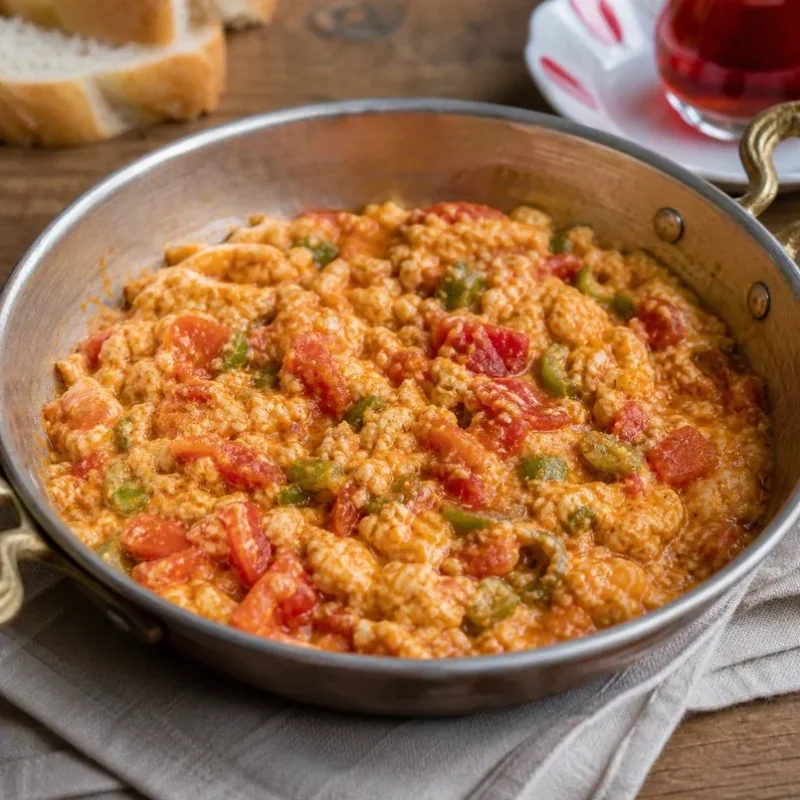
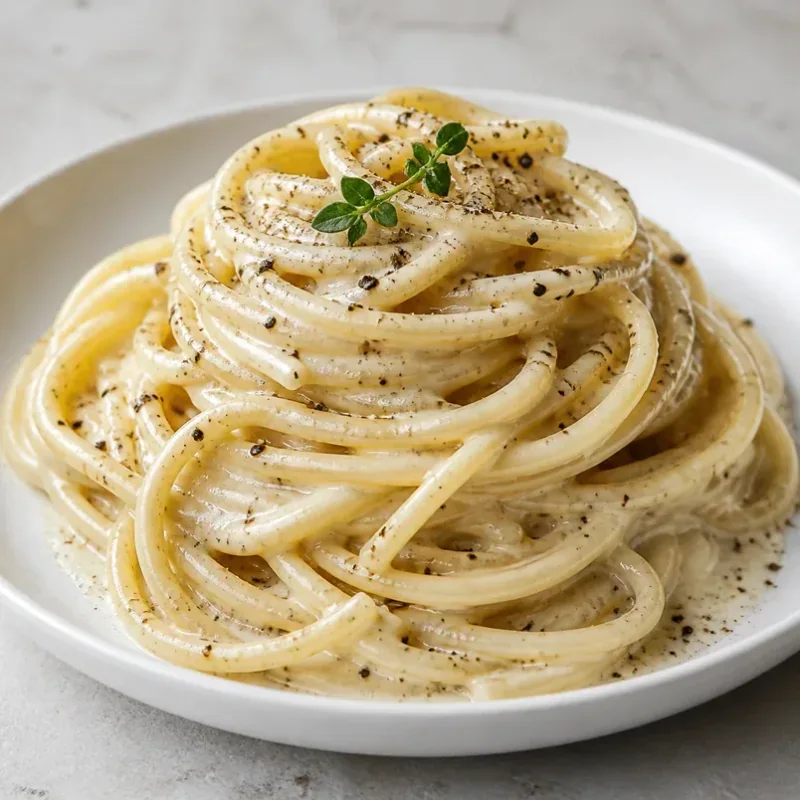
Give yourself permission to move down an effort level. Menemen is a useful egg dinner, but it still needs vegetable preparation. Cacio e pepe has a short list, but its sauce needs attention. The related no-cook and no-chop guides offer different routes, while the full recipes below are choices for evenings when their specific work fits.
Practical decision aid
Choose your effort level
- Assemble: ingredients already suitable to eat.
- Heat: one pot or microwave-safe bowl.
- Cook: one familiar component with a simple companion.
Take the next step
Recipes to explore
These are recipe previews from our collection. Check their ingredients and first step; they are separate from the flexible example above.
Questions people ask
A few useful answers
Is a cold plate a valid dinner option?
It can be, depending on the foods and quantities you choose. Make the plate substantial for your appetite instead of treating a few garnish-sized items as the whole meal.
How do I avoid the same fallback every night?
Change one component, such as beans versus tuna or bread versus a prepared starch, while keeping the easy method familiar.
Food handling references
Practical examples are editorial suggestions. For storage and safe cooking, use food-specific guidance and product instructions.
- FoodSafety.gov: food-specific cold storage guidance
- FoodSafety.gov: safe cooking and reheating temperatures
- USDA: handling leftovers safely
Keep exploring
A useful next read
From this guide to your kitchen
Find dinner options that fit both your ingredients and your energy.
In My Fridge helps you explore recipe options around your own ingredients, so the next dinner can start with what is already there.
Continue with In My FridgeComing soon for iPhone