The short answer
Change one major feature of the meal: its shape, texture or accompaniment. Keep a strongly seasoned leftover as the flavour base and add something simple. Only use food whose storage history is known and suitable.
Sort by texture before adding seasoning
Dry rice, saucy beans and roasted vegetables need different treatment. Rice can become the base of a new dish; beans can become a filling or a thick topping; soft vegetables can enrich soup. A heavily dressed salad rarely becomes a good crisp stir-fry. Choose a role the food can actually perform instead of trying to hide every container in one pot.
Change the experience, not every ingredient
A second meal can feel different without an entirely new shopping list. Serve a stew over a baked potato instead of alongside bread. Chop roasted vegetables into a wrap rather than serving them as a side. Add a fresh or crisp element at serving time. Keep strongly flavoured sauces separate until you know they suit the new meal; mixing tomato sauce, sweet glaze and mustard dressing is difficult to reverse.
Try the method
Worked example: a small container of cooked beans
- Assess whether the beans are plain, tomato-based or already strongly spiced, and check when they were prepared and refrigerated.
- For plain beans, mash a portion with a little oil and lemon for a bread topping. Keep the rest whole for texture rather than blending everything smooth.
- For tomato beans, warm the amount needed for this meal and spoon it over toast or a separately cooked potato. Follow the linked leftover temperature guidance.
- Add a crunchy vegetable you already have. This changes the plate without requiring another complete recipe or a new sauce purchase.
Avoid the endless leftover cycle
Portion the next meal before cooking again. Adding a full bag of pasta to a small leftover can create an even larger surplus. Keep track of the original preparation date: turning leftovers into another dish does not give old food an unlimited new storage period. Freeze a suitable portion promptly if it will not be used in time.
Practical decision aid
Choose a useful transformation
- Dry or firm: give it moisture or a new sauce.
- Soft: use it in a filling, mash or soup.
- Strongly seasoned: add a plain companion before adding more flavour.
Take the next step
Recipes to explore
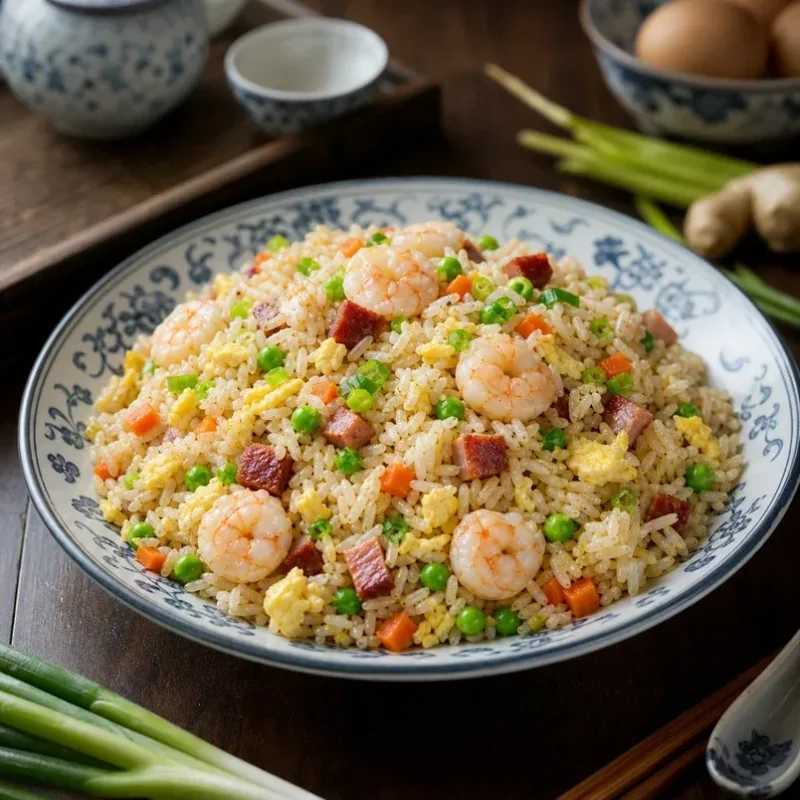
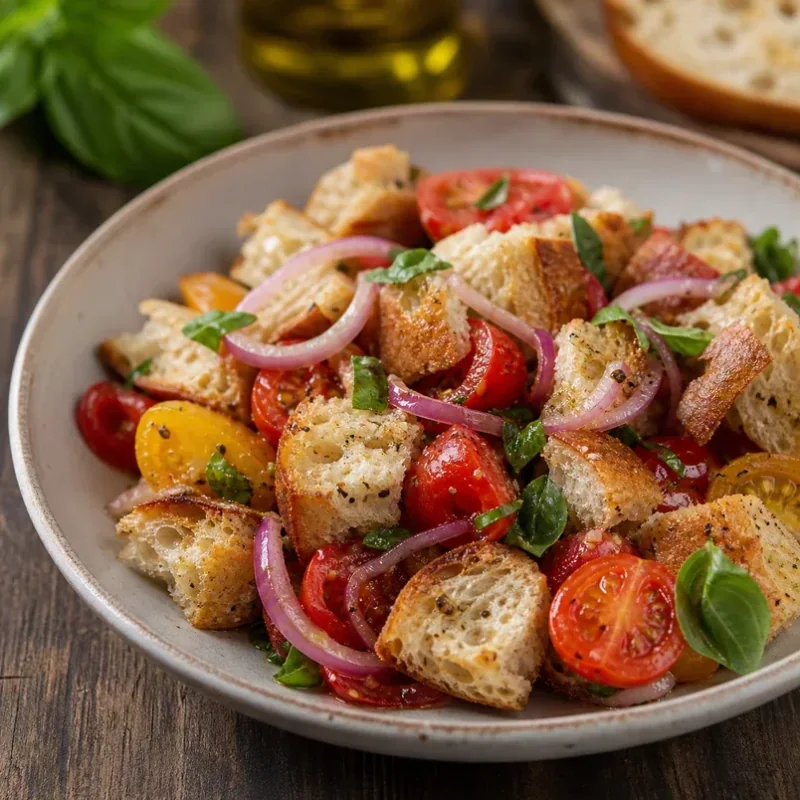
These are recipe previews from our collection. Check their ingredients and first step; they are separate from the flexible example above.
Questions people ask
A few useful answers
Can reheating rescue food left out too long?
No. Start with correctly stored food; reheating is not a way to undo unsafe storage. Use the official handling references below.
What if I dislike repeated meals?
Keep components separate when first cooking. The same plain bean base can support a warm bowl or a mashed topping without repeating the whole plate.
Food handling references
Practical examples are editorial suggestions. For storage and safe cooking, use food-specific guidance and product instructions.
- FoodSafety.gov: food-specific cold storage guidance
- FoodSafety.gov: safe cooking and reheating temperatures
- USDA: handling leftovers safely
Keep exploring
A useful next read
From this guide to your kitchen
Find a new direction for the ingredients left from dinner.
In My Fridge helps you explore recipe options around your own ingredients, so the next dinner can start with what is already there.
Continue with In My FridgeComing soon for iPhone