The short answer
Decide whether onions are a quick flavour base or the centre of the meal. Softened onion, browned onion and deeply caramelised onion are different results with different time demands. Choose the role before slicing and setting the heat.
Match the cut to the job
Small diced onion disappears into a sauce more readily than thick wedges. Thin slices suit a slow onion topping, while larger pieces keep more structure in a roast or braise. Keep pieces reasonably even. If you want mellow onion in a short dinner, a moderate softening step is more realistic than promising deep caramelisation in a few minutes.
Give slow onions enough room and time
A crowded pan releases moisture before it browns. Gentle cooking can soften a large volume, but reducing that moisture and developing colour takes longer. Stir as needed and lower heat if the edges darken faster than the centres soften. A splash of water can loosen browned material from the pan; it cannot turn burned black onion back into a sweet base.
Try the method
Worked example: one onion, two meals
- Choose a suitable onion and cut the amount required for tonight. Store the remainder appropriately rather than leaving it beside the cooker during dinner.
- Soften tonight's portion in a little oil until it loses its raw bite. Use it as the base for a small tomato-and-bean pot or an egg dish.
- Plan a separate use for the remaining raw portion: finely chopped in a cooked sauce tomorrow, or slices in a longer recipe when you have time.
- If cooking a larger batch of onions deliberately, portion and store it safely. Add different seasonings at the point of use so every later meal does not taste identical.
When onion is the whole idea
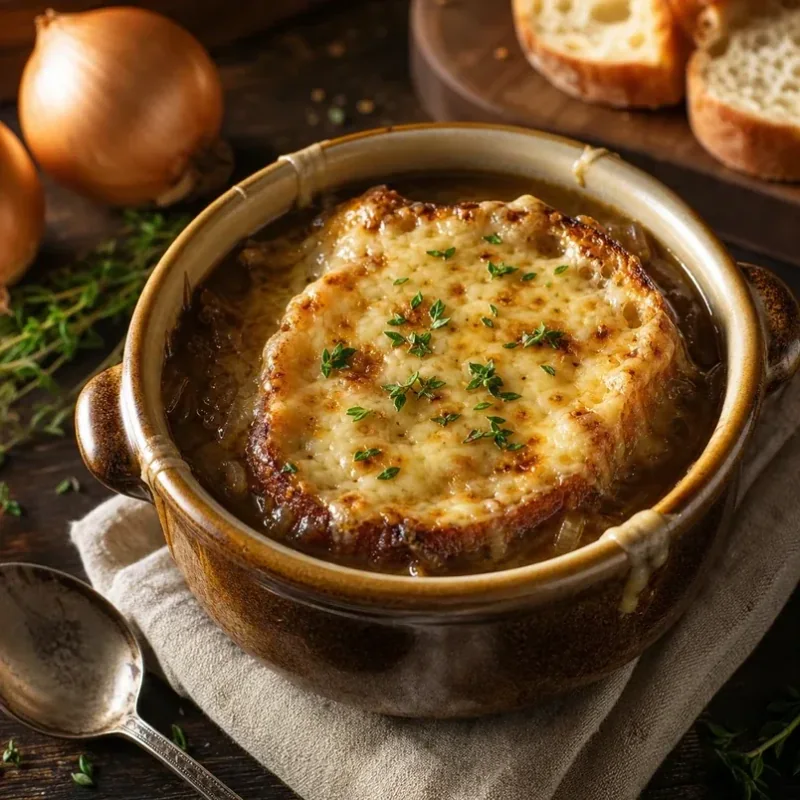
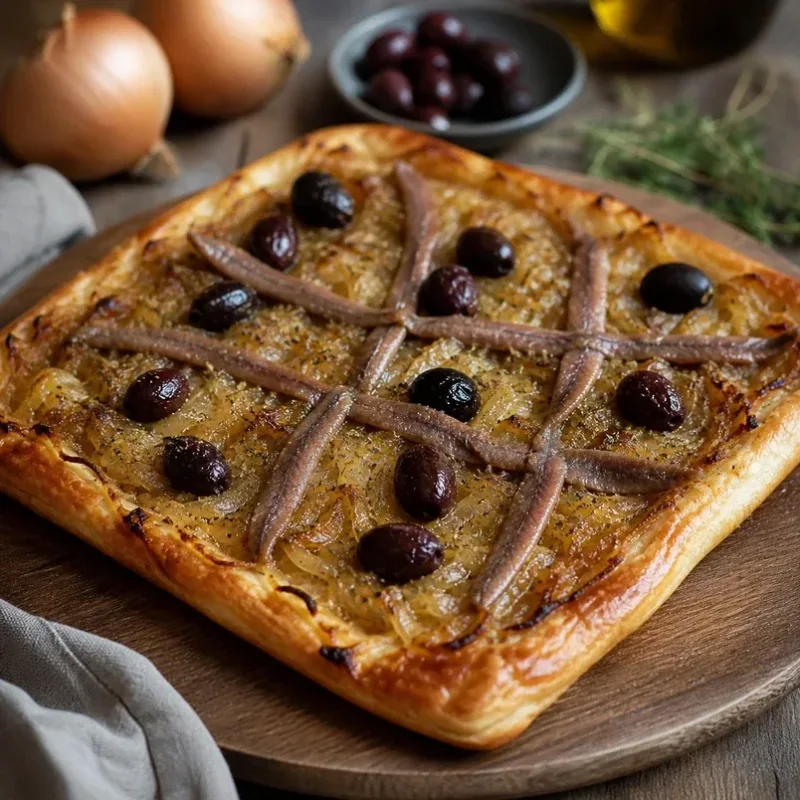
French onion soup and pissaladière make onion central, but both require additional ingredients and meaningful preparation. They belong in a deliberate cooking session, not an automatic “five-minute pantry dinner” claim. Check stock, bread or dough requirements before committing to a large bag of onions.
Practical decision aid
Choose the onion's role
- Base: small pieces softened before other ingredients.
- Topping: slices cooked to the required colour and texture.
- Main ingredient: allow the full time and supporting ingredients.
Take the next step
Recipes to explore
These are recipe previews from our collection. Check their ingredients and first step; they are separate from the flexible example above.
Questions people ask
A few useful answers
Are browned and caramelised onions interchangeable?
Not always. Light browning gives a different sweetness and texture from a long, deep cook. Use the endpoint expected by the recipe.
Can I skip onion when it is only a base?
Sometimes in a forgiving soup or sauce, with a change in flavour. If onion is the main ingredient, choose a different dish instead of removing its centre.
Food handling references
Practical examples are editorial suggestions. For storage and safe cooking, use food-specific guidance and product instructions.
How we publish our guidesKeep exploring
A useful next read
From this guide to your kitchen
Explore recipes that suit the onions and time you have.
In My Fridge helps you explore recipe options around your own ingredients, so the next dinner can start with what is already there.
Continue with In My FridgeComing soon for iPhone