The short answer
Divide suitable extra carrots between meals with different textures instead of cooking the whole bag one way. A crisp accompaniment, a small cooked vegetable portion and a planned soup can share the supply. Match the cut to the time available and the rest of the dish.
Choose portions before preparation
A large bag can look like one cooking task, but preparing it all may create more ready-to-use food than you can eat. Count the next few realistic meals and cut only what they need. Check condition and storage instructions. A recipe should use suitable carrots, not disguise spoilage or turn an uncertain ingredient into a false economy.
Change the cut to change the job
Thin shreds give a different eating experience from thick roasted pieces. Small even dice suit a soup base, while larger pieces need more time to soften. If a skillet dinner must be quick, avoid adding thick raw chunks late in the process. The outside can colour before the centre has the texture you want.
Try the method
Worked example: one bag, several smaller uses
- Reserve a suitable portion for a washed, freshly prepared crisp accompaniment. Keep any dressing separate until the meal if that preserves the texture you want.
- Use another portion in a cooked onion-and-carrot base with a substantial companion such as beans, lentils or an available starch.
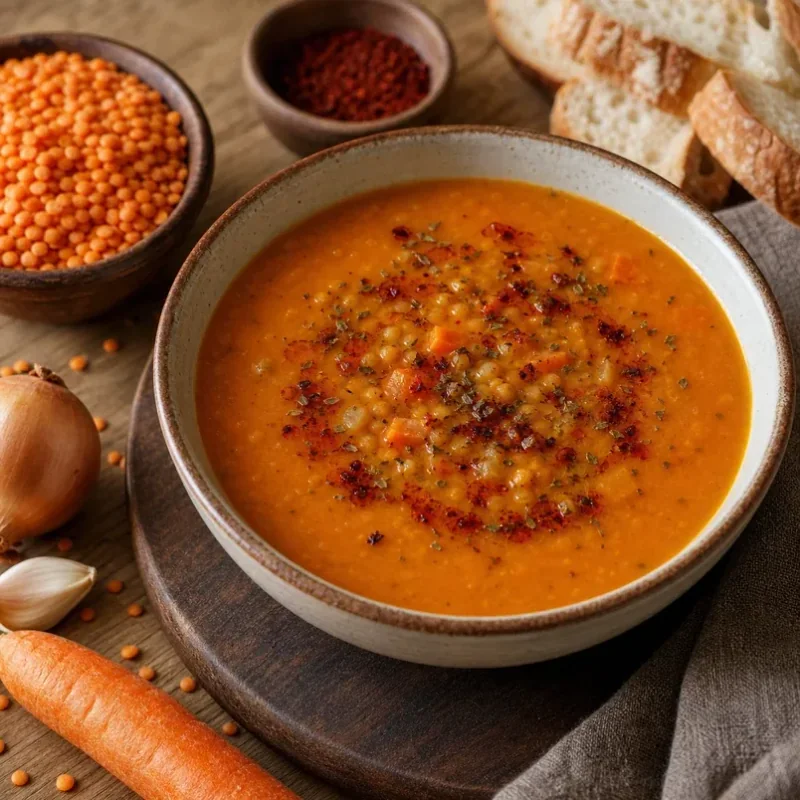
- Allocate carrots to a planned soup only after checking its complete ingredient list and cooking time. Mercimek çorbası below uses carrots alongside red lentils and other ingredients.
- Reassess the remaining amount before the next shop. If it regularly exceeds your appetite and storage plan, buy a smaller bag instead of adding another rescue recipe every week.
Fix uneven cooking at the preparation stage
Cutting pieces similarly is usually more useful than repeatedly increasing the heat. For mixed vegetables, start the firmer pieces earlier or prepare them separately. When carrots are already soft, use that texture in a soup or mash rather than trying to restore raw crunch. Add a crisp companion at serving if the plate needs contrast.
Practical decision aid
Give the carrots different jobs
- Crisp: a small fresh accompaniment.
- Cooked: even pieces in a coherent main dish.
- Soup: a deliberate recipe with liquid and timing accounted for.
Take the next step
Recipes to explore
These are recipe previews from our collection. Check their ingredients and first step; they are separate from the flexible example above.
Questions people ask
A few useful answers
Can carrots replace every other vegetable in soup?
No. Their sweetness and firmness change the balance. Use a compatible recipe and account for cooking time and quantity rather than making a universal swap.
Should I roast the whole bag to save time?
Only if you have enough suitable storage and actual uses for the cooked portions. A large cooked surplus can be less flexible than a planned raw remainder.
Food handling references
Practical examples are editorial suggestions. For storage and safe cooking, use food-specific guidance and product instructions.
How we publish our guidesKeep exploring
A useful next read
From this guide to your kitchen
Find carrot recipes for the amount you want to use.
In My Fridge helps you explore recipe options around your own ingredients, so the next dinner can start with what is already there.
Continue with In My FridgeComing soon for iPhone