The short answer
Build a no-chop meal from ingredients already in usable pieces: frozen vegetables, canned beans, eggs, pasta and bread. Choose a method that handles their moisture. No chopping does not necessarily mean no cooking, no draining or no cleanup.
Read past the ingredient names
“Carrots” may mean peeled and diced carrots in the method, while frozen diced carrots already have that preparation done. Whole canned tomatoes may need crushing but not a knife. A recipe that finishes with chopped herbs or grated cheese still includes extra work unless you can use a suitable prepared version or omit an optional garnish.
Plan for water from frozen vegetables
Frozen vegetables can release moisture as they heat. In a soup that liquid may be welcome; in a skillet it can dilute a sauce or prevent browning. Follow package cooking instructions and allow moisture to evaporate where appropriate. Do not assume a frozen vegetable product is ready to eat straight from the bag merely because the pieces are small.
Try the method
Worked example: pasta, peas and a simple sauce
- Measure one meal's dry pasta and check the frozen peas' cooking instructions. Set out a colander and a mug for reserved water before starting.
- Cook the pasta according to its packet. Add peas only at a point that satisfies their own cooking instructions, or cook them separately if the timing does not align.
- Drain, reserving a little cooking water. Combine with a suitable prepared sauce or a small amount of oil and a compatible cheese if available.
- Loosen gradually with reserved water. Serve the amount needed and store unused ingredients safely; avoid opening a second vegetable bag just to make the meal look more elaborate.
Keep shortcuts useful beyond tonight
Choose frozen or canned ingredients you can use in several formats. Peas might join pasta or a soup; beans can become a pot or a filling. Pre-cut fresh produce can reduce preparation but still has storage instructions and a limited usable window. Buy the format that fits your actual routine, not the one that merely looks convenient in the shop.
Practical decision aid
Audit a no-chop meal
- Preparation: no hidden peeling, slicing or grating.
- Moisture: decide where thawing water will go.
- Cooking: follow each ingredient's required treatment.
Take the next step
Recipes to explore
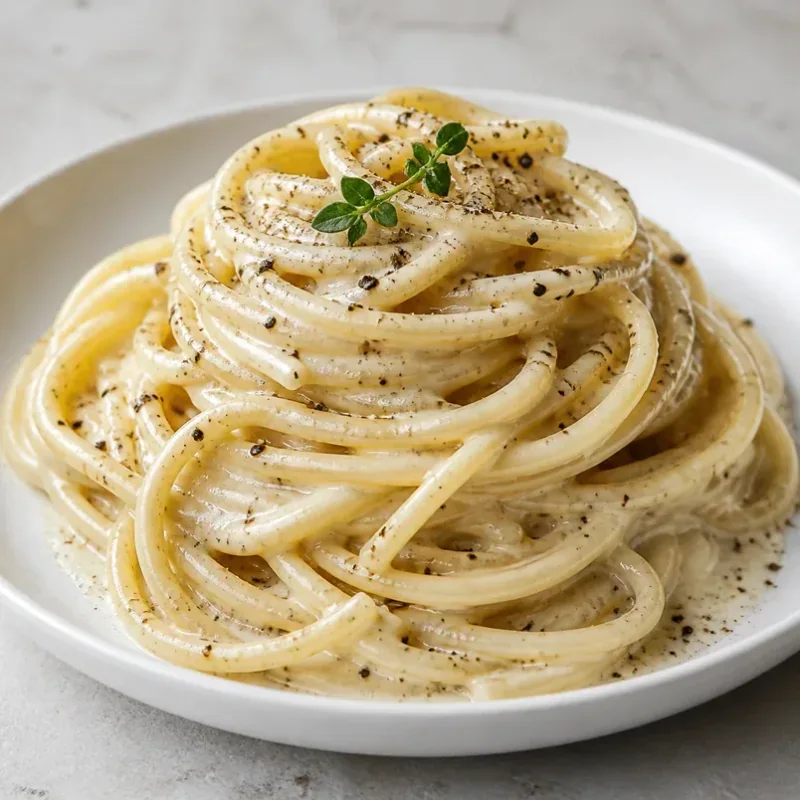
These are recipe previews from our collection. Check their ingredients and first step; they are separate from the flexible example above.
Questions people ask
A few useful answers
Can I skip all garnishes?
Often, if they are genuinely optional flavour finishes. A named main ingredient, binder or cooking liquid is a different matter and should not be omitted automatically.
Does a no-chop recipe need expensive prepared food?
No. Many ordinary canned and frozen ingredients already come in usable pieces. Compare the amount you will actually use and the local price.
Food handling references
Practical examples are editorial suggestions. For storage and safe cooking, use food-specific guidance and product instructions.
- FoodSafety.gov: food-specific cold storage guidance
- FoodSafety.gov: safe cooking and reheating temperatures
- USDA: handling leftovers safely
Keep exploring
A useful next read
From this guide to your kitchen
Explore recipes with ingredients already close to ready.
In My Fridge helps you explore recipe options around your own ingredients, so the next dinner can start with what is already there.
Continue with In My FridgeComing soon for iPhone