The short answer
Prepare a few components that can change partners: a cooked vegetable, a bean or other suitable protein, and a sauce kept separately. Assemble different meals from them. This gives more variety than dividing one fully mixed dish into five identical containers.
Choose components with more than one destination
Roasted carrots can join a warm bowl, a soup or a bread filling. Plain cooked beans can become a dressed plate or a tomato pot. A strongly sauced mixture has fewer compatible uses. Do enough preparation to remove tomorrow's obstacle without seasoning everything into the same dish. If chopping is the barrier, preparing vegetables may be more useful than cooking an entire week's meals.
Plan safe storage before batch size
Decide what will be eaten soon and what should be frozen promptly. Use suitable shallow containers and keep the original preparation dates visible. A component-based plan still follows food-specific storage guidance; changing sauces does not create a new storage window. Avoid cooking a large batch merely because every container on the counter is empty.
Try the method
Worked example: three different uses for a small prep session
- Prepare a modest amount of cooked carrots and ready-cooked beans. Keep their seasonings simple and store them separately in suitable portions.
- For the first meal, combine a serving with bread and a yogurt-based dressing if you use dairy. Add the dressing only to the portion being eaten.
- For a later meal within the safe storage period, warm beans with tomato and serve the carrots alongside or in the pot, depending on texture.
- For another planned use, turn a suitable portion of carrots into soup with a compatible liquid and beans for body. Freeze promptly instead if that meal will not happen in time.
Do not prep every component
Some foods are best finished close to eating: dressed leaves lose texture, crisp toppings soften, and pasta may absorb sauce. Leave the small finishing task for the day when it improves the result. A successful prep session removes friction; it does not need to eliminate every minute of future cooking.
Practical decision aid
Choose a useful prep component
- Flexible: it can join at least two meals you like.
- Portioned: you can take one serving without reheating all of it.
- Timed: it has an actual meal date or a prompt freezer plan.
Take the next step
Recipes to explore
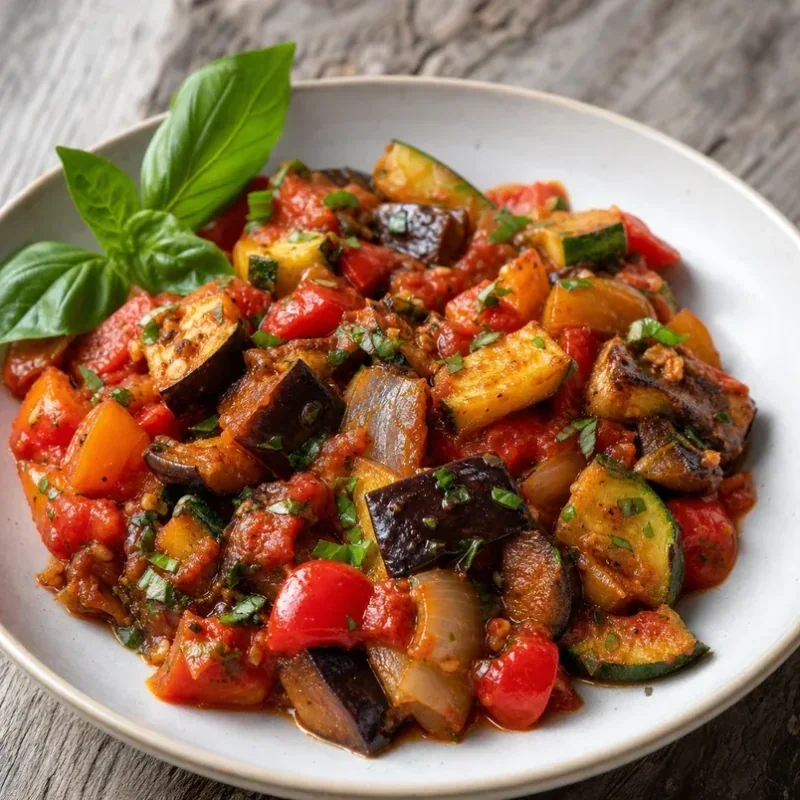
These are recipe previews from our collection. Check their ingredients and first step; they are separate from the flexible example above.
Questions people ask
A few useful answers
How much should I prepare for one person?
Start with two or three realistic meals and the storage space available. Your appetite and schedule matter more than a standard batch-prep quantity.
Can I use different sauces to extend storage?
No. Sauce changes flavour, not the food's age or storage history. Keep dates and follow the original component's safety requirements.
Food handling references
Practical examples are editorial suggestions. For storage and safe cooking, use food-specific guidance and product instructions.
How we publish our guidesKeep exploring
A useful next read
From this guide to your kitchen
Find different meals for the components you have prepared.
In My Fridge helps you explore recipe options around your own ingredients, so the next dinner can start with what is already there.
Continue with In My FridgeComing soon for iPhone