The short answer
Plan a few meals in an order of perishability and effort, with one pantry fallback. Leave space for leftovers and changed plans. A flexible plan tells you what to use next without requiring a different freshly cooked dinner every night.
Plan the number of cooking occasions
Look at the evenings when you will actually be home and willing to cook. Three cooking sessions, a leftover meal and a backup may fit better than seven recipes. Include the work already required by breakfast and lunch when choosing portions. Do not assign every free hour to cooking just because a weekly calendar has seven empty dinner boxes.
Put the fragile meal first
Use suitable opened products and delicate ingredients while they fit their storage guidance. Keep an unopened pantry meal as the movable option. If a planned meal includes ingredients that will not wait, move that meal or safely store an appropriate component promptly. The fallback should absorb a schedule change rather than forcing you to cook unwanted food late at night.
Try the method
Worked example: a three-slot plan
- Choose one fresh-ingredient meal, one shared-ingredient meal and one cupboard meal. Write the defining ingredients beside each rather than a detailed menu for every day.
- Assign the freshest or already opened ingredients to the first likely cooking occasion. Reserve quantities needed for the second meal.
- Leave one evening unassigned so a suitable leftover or changed plan can take that place. Keep the cupboard meal available for the lowest-energy evening.
- Before the next shop, check what was actually eaten. Move only suitable remaining ingredients into the next plan and reduce purchases that repeatedly go unused.
Use the plan as a feedback loop
A meal skipped twice may be too complicated, not simply scheduled on the wrong day. Replace it with a method you prefer. An ingredient consistently left over needs a smaller purchase or a better second use. The plan becomes useful through these small corrections, not through perfect adherence to the first version.
Practical decision aid
Make the week movable
- Early: suitable fragile or opened ingredients.
- Middle: meals sharing ingredients already purchased.
- Flexible: an unopened pantry option and room for leftovers.
Take the next step
Recipes to explore
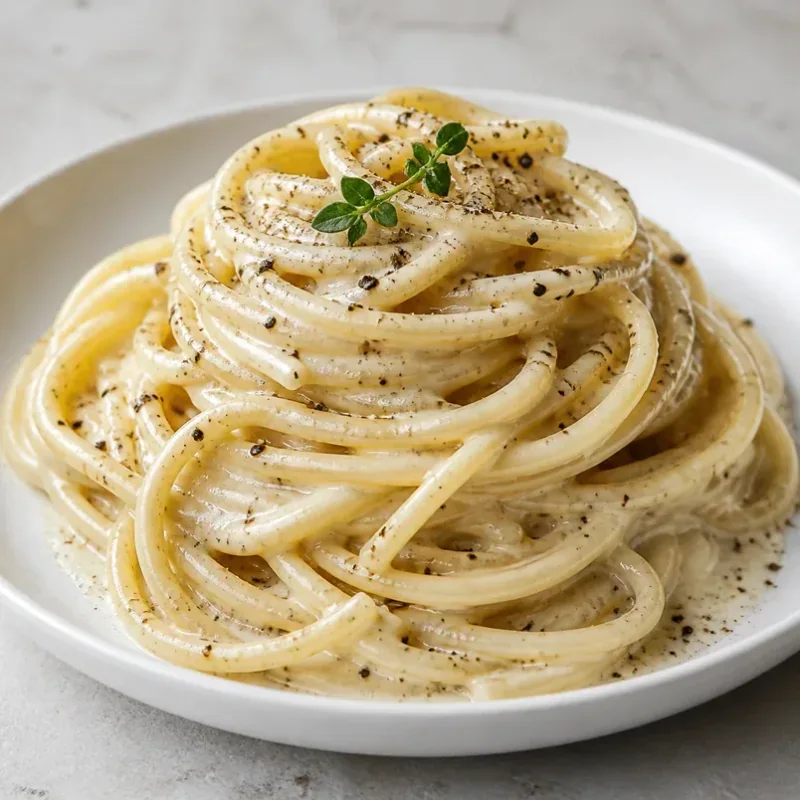
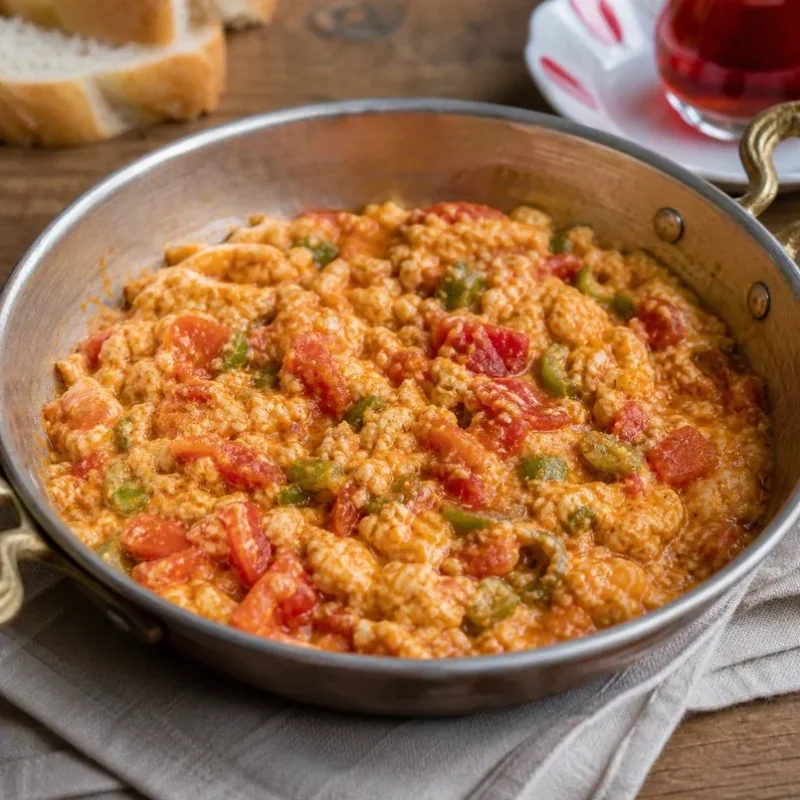
These are recipe previews from our collection. Check their ingredients and first step; they are separate from the flexible example above.
Questions people ask
A few useful answers
Do I need to batch cook on Sunday?
No. You can plan ingredients and cook on the days that suit you. Preparing one useful component may be enough to reduce later work.
How many recipes should I choose at first?
Try two or three realistic cooking occasions plus a fallback. Add complexity only when the current plan fits your actual week.
Food handling references
Practical examples are editorial suggestions. For storage and safe cooking, use food-specific guidance and product instructions.
How we publish our guidesKeep exploring
A useful next read
From this guide to your kitchen
Explore a few recipes that share ingredients across your week.
In My Fridge helps you explore recipe options around your own ingredients, so the next dinner can start with what is already there.
Continue with In My FridgeComing soon for iPhone