The short answer
Identify the ingredient's job before replacing it: structure, liquid, fat, seasoning or the main food. Optional finishes are often easier to omit than binders or defining ingredients. If the missing item controls the technique, choose another recipe instead of forcing an uncertain substitution.
Ask what would change if it vanished
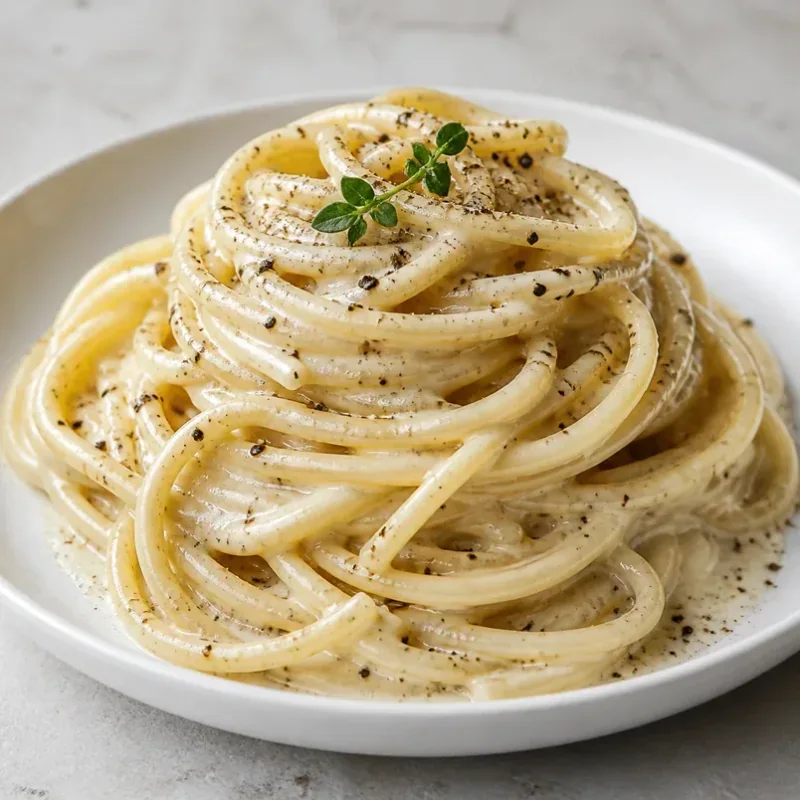
A herb garnish changes flavour and appearance. Eggs in a set dish provide structure. Cheese in cacio e pepe helps create the sauce itself. Stock adds liquid as well as seasoning. Replacing only one role can leave the dish unbalanced: a dry seasoning does not replace a cup of liquid, and ordinary milk does not behave like every thick dairy ingredient.
Keep swaps within a forgiving context
A soup or simple vegetable pot often tolerates a different aromatic more readily than a precise dough or emulsion. Similar appearance is not enough: tomato paste and chopped tomatoes have different concentration and water content. Treat allergy substitutions, preservation and specialist dietary requirements separately; a casual kitchen swap is not proof of allergen safety or nutritional equivalence.
Try the method
Worked example: no onion for a tomato-and-bean pot
- Check whether onion is merely the flavour base or the main ingredient. In a simple tomato-and-bean pot, it is usually a supporting aromatic.
- If you have a compatible shallot or leek, prepare an appropriate amount and soften it according to its texture. Otherwise, omit onion and accept a different flavour.
- Keep the tomato, beans and required liquid quantities clear. Do not replace a missing onion with a large amount of a salty seasoning mixture.
- Taste the cooked base and adjust gently. If the recipe were onion soup instead, choose another dish because removing the onion would remove its centre.
Write down successful changes precisely
Note the recipe, ingredient, amount and result. “Yogurt works instead of cream” is too broad; the useful observation is which yogurt, in which dish, added at which stage. A small personal record of successful swaps is more reliable than applying one internet substitution ratio to every cooking context.
Practical decision aid
Choose the next action
- Skip: a genuinely optional garnish or minor finish.
- Swap: a similar role in a forgiving method, with adjustments.
- Change recipes: a missing centrepiece, structure or safety-critical requirement.
Take the next step
Recipes to explore
These are recipe previews from our collection. Check their ingredients and first step; they are separate from the flexible example above.
Questions people ask
A few useful answers
Can I replace any cheese with the cheese in my fridge?
No. Moisture, salt and melting behaviour differ. A sauce that depends on a particular cheese may need a different recipe rather than a simple swap.
When is it better to stop and choose another dish?
When the missing ingredient is the main food, required binder, essential liquid or a key part of an unfamiliar technique. Another suitable recipe can save more effort than troubleshooting.
Food handling references
Practical examples are editorial suggestions. For storage and safe cooking, use food-specific guidance and product instructions.
- FoodSafety.gov: food-specific cold storage guidance
- FoodSafety.gov: safe cooking and reheating temperatures
- USDA: handling leftovers safely
Keep exploring
A useful next read
From this guide to your kitchen
Find a recipe that fits what you have instead of forcing a swap.
In My Fridge helps you explore recipe options around your own ingredients, so the next dinner can start with what is already there.
Continue with In My FridgeComing soon for iPhone