The short answer
Start with one ingredient to use, one filling companion and one realistic cooking method. Compare two possible dinners, check the missing ingredients, then commit. You do not need to use everything in the fridge in the same meal.
Choose before you cook
Start with the ingredients you actually have
Choose one starting point below, then check the full ingredient list. These are examples, not a claim that your cupboard contains every extra.
Potatoes + eggs
Spanish tortilla
5 listed ingredients · 6 servings · 50 mins cooking estimate
- Check you have
- Onion, olive oil and salt; enough potatoes and eggs for the stated portions.
- Work involved
- Slicing and softening potatoes, then handling the egg mixture.
Pasta + hard cheese
Cacio e pepe
4 listed ingredients · 4 servings · 25 mins cooking estimate
- Check you have
- The specified Pecorino Romano, black pepper and salt. A different cheese changes the result.
- Work involved
- A short list with an attention-demanding sauce.
Beans + tomatoes
Pasta e fagioli
11 listed ingredients · 6 servings · 55 mins cooking estimate
- Check you have
- Pasta, stock and the listed vegetables and seasonings; check bean preparation in the method.
- Work involved
- A soup project rather than an instant can-and-serve meal.
Recipe figures come from this site’s catalog. Cooking estimates may exclude preparation; full methods are in the app. Meal-format suggestions above are planning ideas, not complete recipes.
Make an inventory small enough to act on
Write down five useful things, not the entire kitchen. Include quantities and preparation: two raw potatoes, a drained can of beans, cooked carrots, half an onion and bread are more informative than “vegetables.” Check storage history before putting leftovers on the list. Choose the ingredient with a definite use-by plan as your anchor; uncertainty about safety is a reason to discard it, not to cook it harder.
Match ingredients to a finished shape
A bowl needs a base and something to dress it. A skillet needs ingredients that can cook in a sensible sequence. Soup needs liquid and a source of substance. Two potatoes and eggs point toward a skillet; beans and tomatoes toward a stew. If the only missing item is an optional herb, proceed without it. If it is the main ingredient or a structural binder, choose the other dinner.
Try the method
Worked example: potatoes, eggs and half an onion
- List how many people are eating before preparing anything; the full Spanish tortilla recipe below makes more than a single portion.
- Choose the tortilla if you can spend time softening potatoes. Choose a bean-and-tomato pot instead if cooked beans are ready and the potatoes would create too much work.
- Read the chosen method once, set out its quantities, then put the unused ingredients back into appropriate storage.
- Start the longest preparation first. Do not begin both meals while still comparing them; this is where a simple dinner becomes two unfinished projects.
When the plan stalls
If every option needs shopping, remove the optional finish first, then reconsider the dish format. Bread and beans can become a plate rather than an elaborate casserole. If nothing sounds appealing, choose temperature and texture: something cold and crunchy or warm and soft. That is an easier decision than naming a cuisine.
A useful recipe match is more than two matching words
Suppose your kitchen has two eggs, one potato and spaghetti. A recipe containing eggs and potatoes is a possible direction, not proof you have enough for its stated yield. Compare amounts first, then missing essentials, equipment and the work involved. If the closest match requires a shopping trip, use a simpler meal format instead.
Search by the ingredient you need to use first. Add a second ingredient to narrow your decision, but do not force unrelated leftovers into one dish. On this site, the recipe previews let you check quantities; the app holds the complete cooking methods.
Practical decision aid
Before you start
- Anchor: one ingredient with a clear quantity and condition.
- Companion: something that makes the chosen format substantial.
- Boundary: one vessel or one active task you can manage tonight.
Take the next step
Recipes to explore
These are recipe previews from our collection. Check their ingredients and first step; they are separate from the flexible example above.
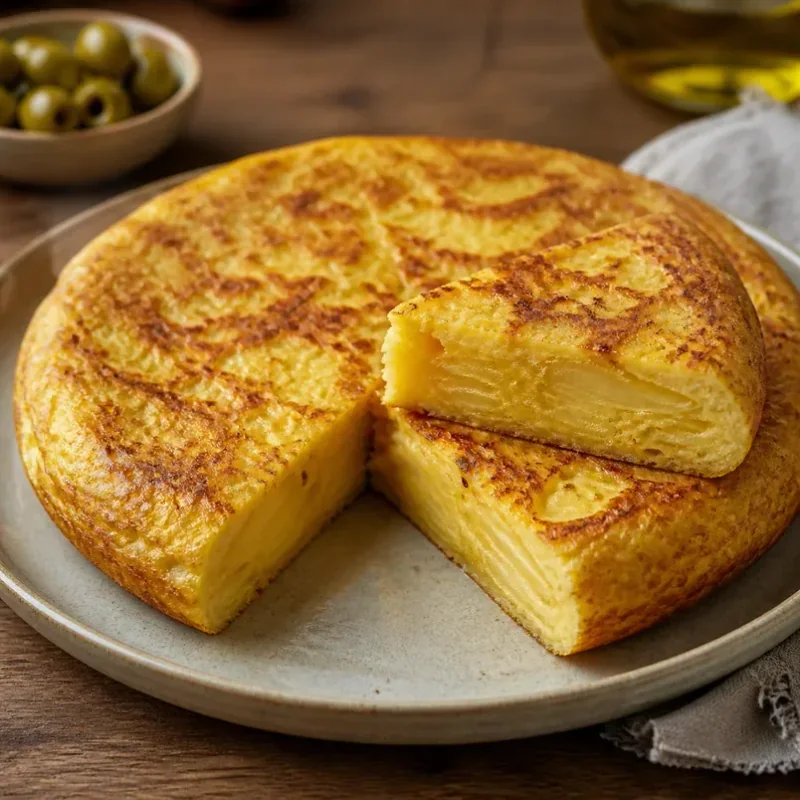 Appetizer
Spanish Tortilla
A thick omelet of potatoes and sweet onion slowly cooked in olive oil, with a tender but safely heated centre.
50 mins cooking estimate; preparation may take extra time. Quantities below make 6 servings.
Example starting point: Potatoes, Eggs, Yellow onion.
Check the quantities you have. This is an example pantry, not a reading of your kitchen.
Other ingredients to check or buy:
- Olive oil: 300 ml
- Salt: 10 g
Check every ingredient and the equipment
- Potatoes: 700 g
- Eggs: 8 pieces
- Yellow onion: 250 g
- Olive oil: 300 ml
- Salt: 10 g
Equipment listed for this recipe
- 24 cm nonstick skillet
- mixing bowl
- colander
- wide plate
- spatula
- instant-read thermometer
Read the complete method in the app before starting. Recipe previews show only the first step.
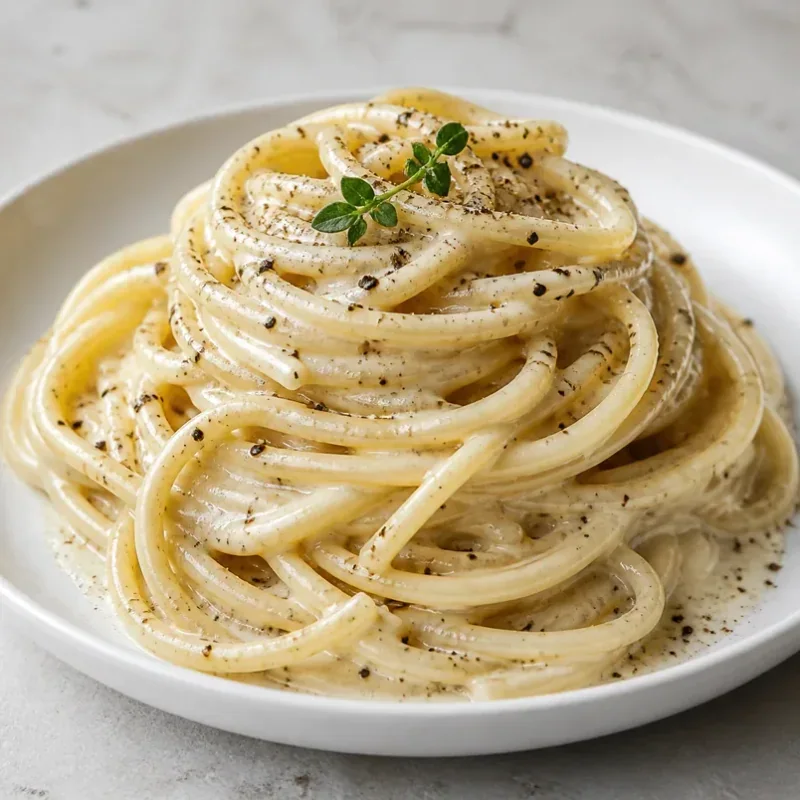 Main course
Cacio e Pepe
Roman pasta coated in a smooth emulsion of Pecorino, toasted black pepper, and concentrated starchy water.
25 mins cooking estimate; preparation may take extra time. Quantities below make 4 servings.
Check every ingredient and the equipment
- tonnarelli or spaghetti: 400 g
- Pecorino Romano: 180 g
- black pepper: 5 g
- salt: 8 g
Equipment listed for this recipe
- large pot
- wide skillet
- grater
- warm bowl
Read the complete method in the app before starting. Recipe previews show only the first step.
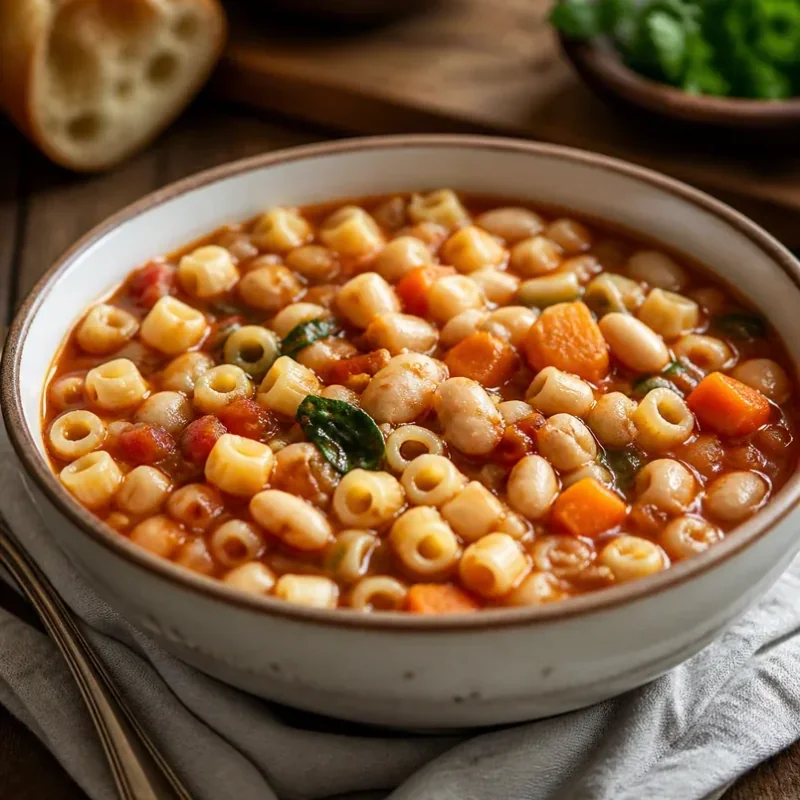 Soup
SoupPasta e Fagioli
A thick borlotti and small-pasta soup with tomatoes and vegetables, naturally thickened with some mashed beans.
55 mins cooking estimate; preparation may take extra time. Quantities below make 6 servings.
Check every ingredient and the equipment
- small pasta: 250 g
- borlotti beans: 500 g
- tomatoes: 400 g
- onion: 120 g
- carrot: 100 g
- celery: 100 g
- vegetable stock: 1000 ml
- olive oil: 30 ml
- garlic: 10 g
- rosemary: 3 g
- salt: 10 g
Equipment listed for this recipe
- heavy pot
- blender or masher
Read the complete method in the app before starting. Recipe previews show only the first step.
Questions people ask
A few useful answers
Do I need an exact recipe match?
Match the defining ingredients and method. A missing garnish is different from missing eggs in a tortilla; do not treat both as equivalent substitutions.
Should I use the oldest ingredient first?
Only if it is still suitable to eat. Check dates, instructions and storage history; a meal plan cannot establish that uncertain food is safe.
How do I find recipes with ingredients I already have?
Name your main ingredient and its state, such as raw potatoes or cooked rice. Compare a small number of suitable dishes, then check every ingredient and its quantity. A matching ingredient name alone does not mean you can make the whole recipe.
Food handling references
Practical examples are editorial suggestions. For storage and safe cooking, use food-specific guidance and product instructions.
How we publish our guidesKeep exploring
A useful next read
From this guide to your kitchen
Turn your own five-item list into recipe options.
In My Fridge helps you explore recipe options around your own ingredients, so the next dinner can start with what is already there.
Continue with In My FridgeAvailable for iPhone and iPad