The short answer
Plan around the remainder of a package, not just one recipe's portion. Choose two or three meals that share ingredients but change format. Before buying a large item, decide whether the rest will be eaten, safely stored or frozen in usable portions.
Choose before you cook
Pick a plan that suits how you eat
A one-person plan is about what happens to the rest of the ingredients. Choose the approach you will actually use, not the biggest batch you could cook.
You dislike repeated meals
Share ingredients, change the dish
- Check you have
- Choose two meals that use the same onion, eggs or vegetables in different ways.
- Work involved
- Some cooking each evening, with fewer one-use purchases.
You like tomorrow’s lunch ready
Make a deliberate second portion
- Check you have
- Enough ingredients for two portions and suitable storage for the extra meal.
- Work involved
- One preparation session; commit to when the second portion will be used.
Your schedule changes often
Plan a freezer portion
- Check you have
- A dish suitable for freezing, a labelled container and actual freezer space.
- Work involved
- Portioning and a thawing plan; not every salad or texture freezes well.
Recipe figures come from this site’s catalog. Cooking estimates may exclude preparation; full methods are in the app. Meal-format suggestions above are planning ideas, not complete recipes.
Give each perishable purchase a second job
A whole cabbage, a tub of yogurt or a bunch of herbs can outlast one recipe's need. Write the first and second use beside the shopping item. The second use should be a meal you would genuinely eat, not a complicated rescue project. If there is no realistic second use or storage space, choose a smaller quantity or another ingredient even when the larger pack has a lower unit price.
Try the method
Worked example: three dinners from overlapping supplies
- Start with eggs, ready-cooked beans, a small amount of cabbage, bread and an onion, plus the oil and seasonings you already use. Adjust amounts to appetite and pack sizes.
- Make an egg-and-onion meal first, using only the portion of onion needed. Store the rest appropriately and mark opened products.
- On another evening, use beans and some onion for a thick toast topping. Keep the cabbage separate until you decide whether to serve it crisp or cook it.
- Use the remaining suitable cabbage in a small cooked skillet with a chosen staple. If the schedule changes, freeze an appropriate component promptly or move the perishable meal earlier.
Do not make the freezer the whole plan
A small freezer can fill with containers you never want to thaw. Label portions with contents and dates, and list one stored meal as an actual upcoming dinner before freezing another batch. If you dislike repeated food, prepare smaller amounts at the start rather than relying on indefinite storage to make a large recipe convenient.
A small shopping plan with an exit for each ingredient
For an example three-meal plan, give eggs and onion one meal, ready-cooked beans and bread another, and a suitable remaining vegetable a third. The useful part is assigning the remainder before shopping: an opened can, half an onion and a loaf each need a next destination. This is a planning example, not a fixed nutrition plan or a promise that a particular pack lasts three days.
Our Menemen preview makes four servings. It is an idea to evaluate, not a single-serving recipe relabelled for this guide. Use the halving guide to consider quantities and equipment, or choose another option if scaling the batch would create awkward leftovers.
Practical decision aid
Before buying a package
- First use: specify one meal and its portion.
- Second use: choose a different format you will enjoy.
- Fallback: know what can be stored or frozen appropriately if plans change.
Take the next step
Recipes to explore
These are recipe previews from our collection. Check their ingredients and first step; they are separate from the flexible example above.
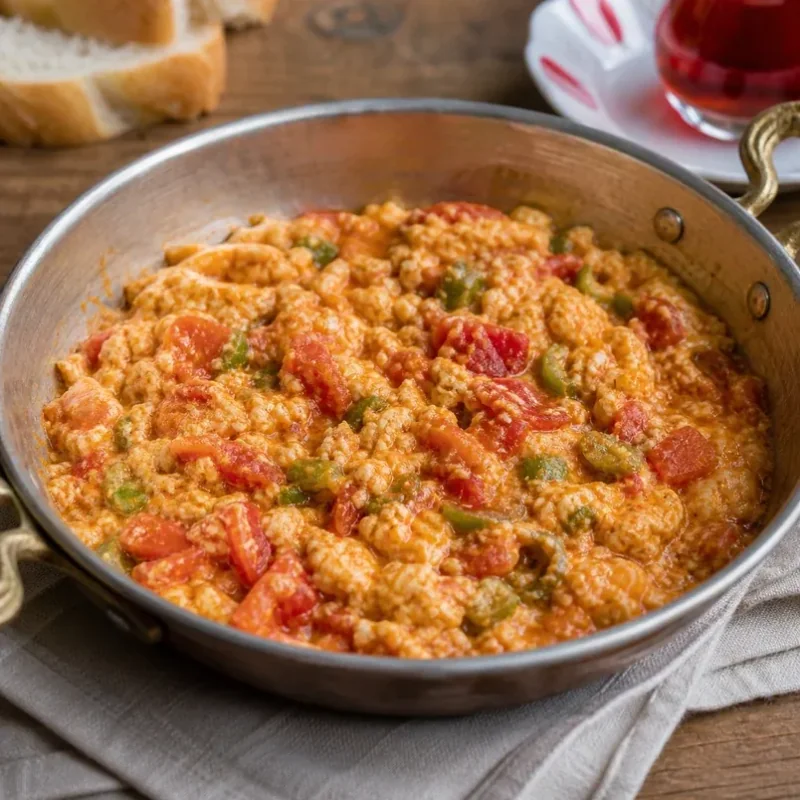 Main course
Menemen
A soft Turkish scramble of tender green peppers and reduced tomatoes, removed from the heat before the eggs become dry.
25 mins cooking estimate; preparation may take extra time. Quantities below make 4 servings.
Check every ingredient and the equipment
- eggs: 8 pcs
- tomatoes: 600 g
- green peppers: 250 g
- onion: 150 g
- olive oil: 50 ml
- pul biber: 5 g
- salt: 9 g
Equipment listed for this recipe
- wide skillet
- wooden spatula
- mixing bowl
- instant-read thermometer
Read the complete method in the app before starting. Recipe previews show only the first step.
Questions people ask
A few useful answers
Is the cheapest unit price always the best choice?
No. A larger package costs more overall if much of it is unused. Compare the amount you expect to eat and the storage you have.
Do I need a full weekly menu?
A flexible three-dinner plan is a reasonable starting point. Give shared ingredients clear destinations and leave room for changes rather than planning seven fragile meals.
Should I halve every family recipe when cooking for one?
Not automatically. First check its stated yield and whether the ingredients divide usefully. Pan size, egg quantities and cooking behaviour may make a smaller recipe or a planned extra portion more practical.
Food handling references
Practical examples are editorial suggestions. For storage and safe cooking, use food-specific guidance and product instructions.
How we publish our guidesKeep exploring
A useful next read
From this guide to your kitchen
Find meals that fit your ingredients and a smaller household.
In My Fridge helps you explore recipe options around your own ingredients, so the next dinner can start with what is already there.
Continue with In My FridgeAvailable for iPhone and iPad